Kenya cuisine is bold, layered, and built from over 40 ethnic communities. Arab traders shaped the coast with spices and rice. Indian immigrants arrived with the Uganda Railway and left behind chapati, samosas, and a spice culture that never left. British colonial habits added the cooked breakfast, which still appears in Nairobi hotel menus today. Most US visitors land thinking safari.
They leave talking about the food. Ugali eaten straight from the pot. Nyama choma smoke drifting across a roadside grill. Fresh chai pressed into your hands before you even sit down. Kenya feeds you in ways you don’t expect. This guide covers every major dish, every drink, and every dining situation you’ll face on a Kenya trip.
Also explore the best: Places to Visit in Kenya
The Staple Foods You’ll See Everywhere
Ugali — Kenya’s National Dish
Ugali is the foundation of nearly every meal in Kenya. It’s made from white maize flour cooked in boiling water and stirred hard until it firms into a dense mass. Think closer to polenta cake than mashed potatoes, but used completely differently. You eat it with your hands. Pinch off a piece, press it into a small ball with your thumb, then use it to scoop up whatever stew or greens sit beside it. It shows up at roadside lunch spots and full-board safari lodge dinners equally. Every tribe across Kenya eats some version of ugali. The preparation varies slightly by region. The role is always the same.
Sukuma Wiki — The Green That Stretches the Week
Sukuma wiki is sautéed collard greens cooked with onions and tomatoes. The name translates roughly to “stretch the week,” which tells you a lot about its place in daily Kenyan life. It’s cheap, filling, and nutritious, and almost always served alongside ugali. Walk into any local eatery and sukuma wiki will be on the menu, sitting right next to a meat stew. It doesn’t pretend to be fancy. It does the job every single day.
Nyama Choma — The Social Fire
Nyama choma means “roasted meat” in Swahili, and it is Kenya’s unofficial national pastime. Goat is the first choice, but beef and chicken appear just as often. The meat goes on an open charcoal grill, seasoned with nothing but salt, and cooks low and slow. The outside chars. The inside goes tender. It arrives on a wooden board with kachumbari, a fresh salsa of diced tomato, red onion, coriander, and lime, plus a mound of ugali on the side. Kenyans gather around nyama choma on weekends the same way Americans gather around a backyard grill. The ritual matters as much as the taste. Walk past a nyama choma joint at dusk and the charcoal smoke pulls you in from the street.
Beyond ugali, sukuma wiki, and nyama choma, a few more staples appear on Kenyan tables daily:
- Githeri: Boiled maize and kidney beans, a Kikuyu staple now eaten across the country. Filling and simple.
- Chapati: A flaky, layered flatbread from Indian influence. Thicker than the Indian version and great torn into stew.
- Pilau: Fragrant spiced rice with meat, cooked with whole spices. Associated with coastal cooking and celebrations.
- Kachumbari: Fresh tomato and onion salsa. Kenya’s most common side, served with almost everything grilled.
- Irio / Mukimo: Mashed potatoes blended with peas, maize, and sometimes pumpkin leaves. A Kikuyu specialty, bright green and deeply comforting.
Coastal Kenya: Where Spice Meets the Sea
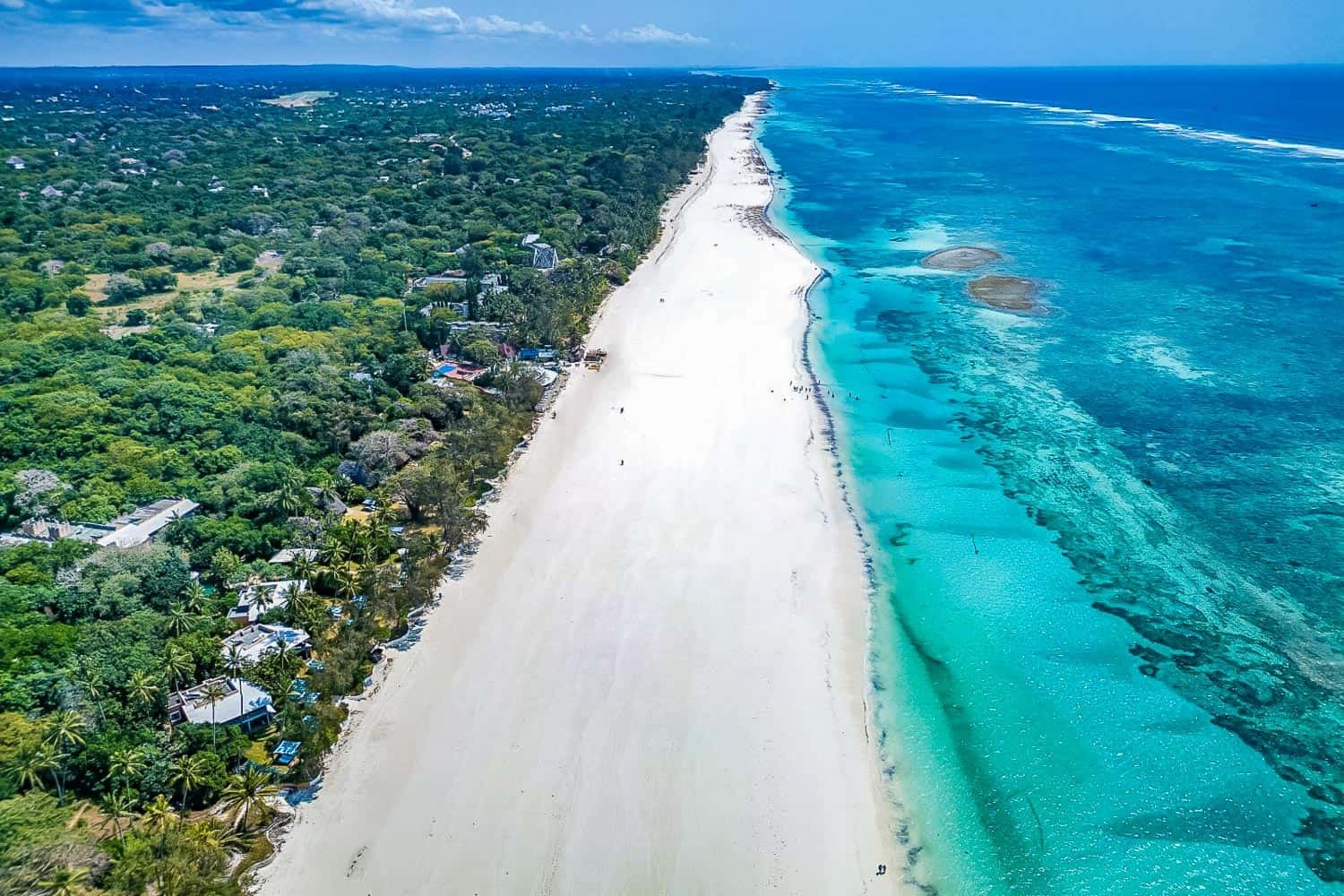
The food along Kenya’s coast is a different world from anything you’ll eat inland. Centuries of trade along the Swahili coast shaped everything here. Arab dhow merchants, Persian sailors, Indian spice traders, and Portuguese explorers all left something in the cooking. Coconut milk, cardamom, cloves, cinnamon, and tamarind define the flavor profile. The Indian Ocean brings lobster, prawns, octopus, and kingfish to coastal kitchens daily. This is the side of the cuisine of Kenya that surprises most US visitors. Nobody told them about the spice.
Pilau is the showpiece of coastal cooking. It’s a fragrant rice dish slow-cooked with whole spices: black pepper, cinnamon sticks, cardamom pods, and cloves layered with meat. A long caramelization of onions turns the whole thing a deep amber color. Every family in Mombasa has its own recipe. Pilau shows up at weddings, Eid celebrations, and Christmas feasts. It’s not everyday food on the coast. When someone serves you pilau, it means you’re welcome.
Kuku paka is the coastal chicken dish that US visitors tend to remember most. The chicken gets char-grilled over open charcoal first. Then it goes into a slow pot of coconut milk, tomato, garlic, and spices. The char is the point. It gives the sauce a smoky depth that no oven can replicate. The result is creamy, mildly hot, and deeply fragrant. Kuku paka has traveled beyond the coast and you’ll find it in Nairobi restaurants now. But eating it in Mombasa with the Indian Ocean breeze is the real version.
Wali wa nazi is coconut rice, just rice cooked in coconut milk instead of water. It sounds like a small change. The texture goes silky, the flavor picks up a faint sweetness, and it transforms every dish sitting next to it. Pair it with samaki wa kupaka, fish slow-cooked in coconut and spice sauce, and you have the most coastal plate possible. If you get to Lamu, eat there. Lamu is one of East Africa’s oldest Swahili towns. The food feels like it belongs to another century.
Suggested read: Top 5 Wildlife Safaris in Kenya
Street Food and Snacks Worth Stopping For
Nairobi street food hits you with smoke first. Charcoal grills line busy junctions and vendors shout over traffic. The smell of frying dough drifts out of every kiosk door. Most US visitors skip the street stalls out of caution. That’s understandable but it’s a real loss. Well-cooked street food at a busy stall is safe when freshly made. The key is watching what you order. If it’s being fried or grilled in front of you, it’s almost always fine. If it’s been sitting under a cloth for hours, walk on.
Mutura is the street food that separates the curious from the cautious. It’s a Kenyan sausage made from minced meat and spices, stuffed into intestine casing and grilled over open coals. The flavor is bold, slightly gamey, and deeply savory. Evening food stalls in Nairobi sell it fresh off the grill. It usually comes sliced into rounds in a paper twist. You won’t find it at a lodge buffet. And then there’s chips mayai, French fries cooked into a flat omelette in a pan. It’s a filling, cheap meal eaten by students and office workers across Nairobi. Not glamorous at all. Better than it sounds.
Street foods to try on your Kenya trip:
- Mandazi: Triangular fried dough, lightly sweetened with coconut and cardamom. A morning staple eaten with chai.
- Samosas: Deep-fried triangles filled with spiced beef or vegetables. Sold at every kiosk across the country.
- Bhajias: Crispy potato fritters in spiced gram flour batter, served with mango chutney called madras. Indian-Kenyan street food at its best.
- Mutura: Grilled Kenyan sausage, bold and savory. Evening stall food for adventurous eaters.
- Mahindi choma: Roasted maize on the cob with lemon and chili. Seasonal, cheap, sold by roadside vendors.
- Chips mayai: French fry omelette. Filling, fast, and everywhere in Nairobi.
Regional Flavors Across Kenya’s Ethnic Communities
Kenya’s food map is not uniform. What lands on your plate in a Kikuyu home in the central highlands looks nothing like what a Luo family serves near Lake Victoria. Neither of those resembles what the Maasai eat out in the Rift Valley. Understanding Kenya cuisine means understanding that food here is tied to land, to community, and to history that goes back long before any colonial border existed.
Kikuyu cooking is rooted in highland agriculture: maize, potatoes, beans, and leafy greens. Irio is the signature Kikuyu dish. It’s mashed potatoes blended with green peas, maize kernels, and sometimes pumpkin leaves, forming a bright green mound that’s comforting and filling. It gets served beside roasted meat or a thick stew. Githeri, the boiled maize and bean combination, also originates here and has since spread nationwide as one of Kenya’s most practical daily meals.
Luo cuisine from the shores of Lake Victoria is built around fish. Omena are tiny silverfish pulled from the lake, sun-dried until crisp, then fried with onions, tomatoes, and garlic. The result is crunchy, strongly flavored, and eaten with ugali. Tilapia from the lake gets grilled, fried, or stewed depending on the cook. Nile perch is another key fish, sold in fillets at markets across western Kenya. The fish culture here is entirely its own.
Maasai food traditions reflect a pastoralist life built around cattle. Milk is the daily staple. Mursik is fermented milk stored in a gourd treated with ash and charcoal, giving it a smoky, slightly sour flavor. On ceremonial occasions, a mixture of blood and milk is consumed as food with deep cultural meaning tied to land and livestock. The Maasai’s tradition of slow-roasted meat fed directly into the nyama choma culture now shared across the whole country. If your Kenya itinerary includes a Maasai village visit, you may be offered mursik. Accepting it respectfully is a real moment.
What to Drink in Kenya
Chai is Kenya’s national drink, and it’s not what Starbucks sold you. Kenyan chai is brewed by boiling tea leaves directly in a pot of milk and water together, with sugar already in the mix. Sometimes fresh ginger root, called tangawizi, goes in too. The result is strong, sweet, and milky, a small cup that warms you fast. You will be offered chai in homes, offices, and roadside shacks before you’re even seated. Kenya grows some of the world’s finest tea in the highland estates around Kericho. Most of the best leaves get exported. What stays behind is still very good.
Coffee in Kenya is serious, even if it doesn’t always show. Kenyan Arabica beans grow at high altitude and produce a bright, fruity, high-acid cup that specialty roasters in the US pay a premium for. The irony is that instant coffee in a hotel room is more common in Kenya than a pour-over. That’s changing in Nairobi’s newer café scene in places like Westlands and Kilimani. But don’t go to Kenya expecting specialty coffee at every stop.
Tusker Lager is the beer to know. East African Breweries has been making it since 1922. The name has a dark origin: the brewery founder’s father was killed by an elephant, and the logo carries that story forward. Cold Tusker with nyama choma is a ritual that needs no improvement. Traditional fermented drinks like busaa, a millet beer, and muratina, a Kikuyu fermented brew, exist in rural areas and at cultural events. You won’t find them at a restaurant or lodge bar. If someone offers you a cup at a village gathering, the right answer is yes.
Apart from food, also try the: Best things to do in Kenya
Dining in Kenya: From Roadside Hotelis to Safari Lodges
Knowing where to eat matters as much as knowing what to order. Small local restaurants in Kenya are called “hotelis,” not hotels. First-time visitors miss this and walk right past the best lunch of their trip looking for a sign that says “restaurant.” A hoteli serves plate lunches: rice, stew, sukuma wiki, ugali, sometimes a fried egg on top. No printed menu exists. Whatever is cooking that day is what you get. The price runs a few hundred Kenyan shillings. The food is honest and often great.
Nairobi’s restaurant scene covers more ground than most US visitors expect. The Westlands and Karen neighborhoods carry international dining options: Indian, Japanese, Lebanese, Ethiopian, and Italian places alongside upscale Kenyan spots where chefs work with local ingredients in interesting ways.
Carnivore Restaurant in the Langata area is the one every Kenya visitor hears about. It’s an open-fire meat feast where nyama and game meats arrive at your table on Maasai swords. But the cuisine kenya experience at a quiet corner hoteli tells a different story entirely: a plate of pilau and beans for under $3 that tastes like someone’s mother made it.
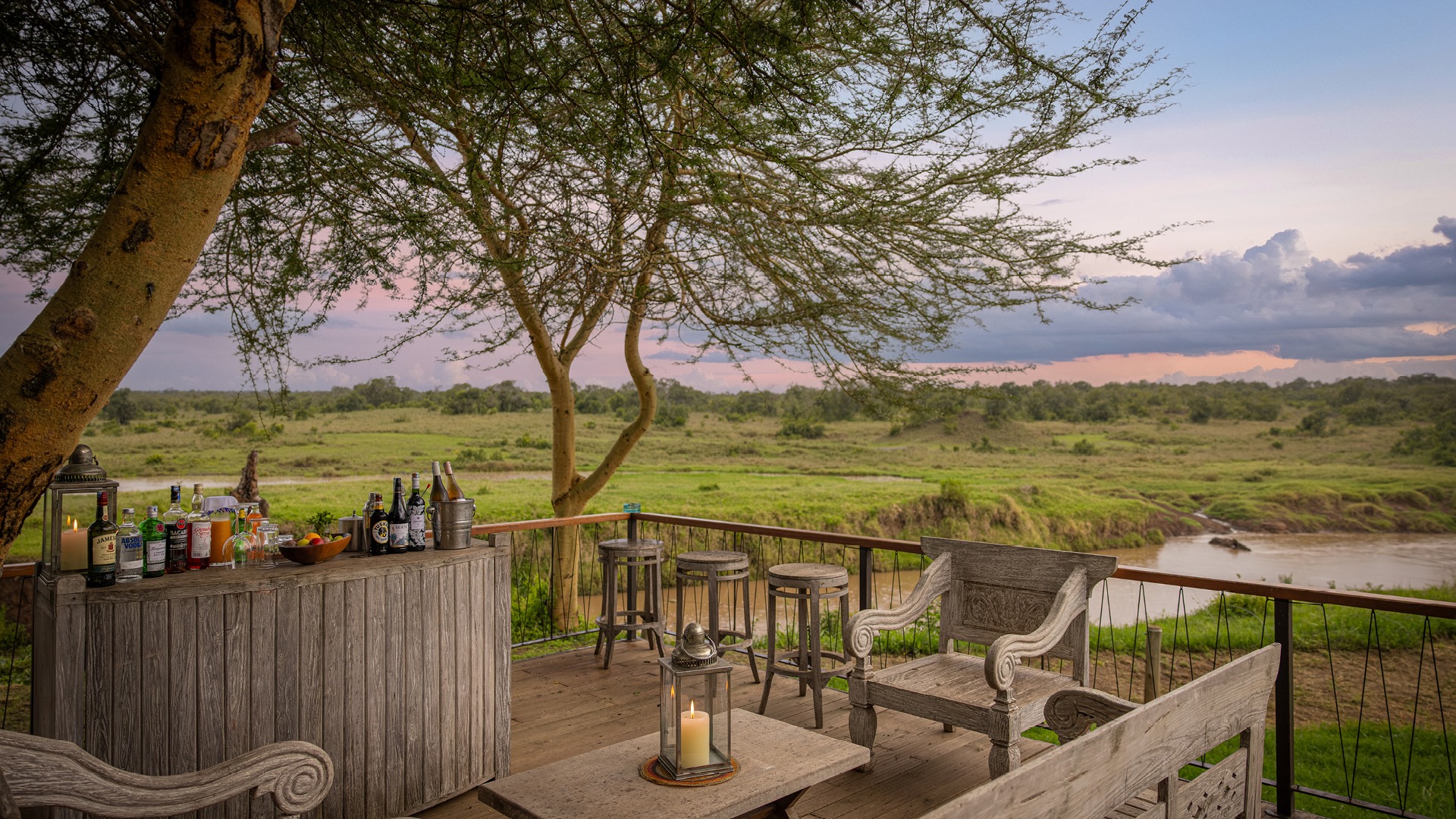
Safari lodge dining is its own category. Full-board packages at lodges in the Maasai Mara or Amboseli include three full meals a day. Breakfasts mix continental and Kenyan options. Dinners run to grilled meats, fresh fish, and seasonal vegetables. But the real moment is the bush breakfast. Picture eggs, sliced fruit, hot chai, and fresh coffee set up under an acacia tree while elephants move through the grass 200 meters away. Outside, the same food tastes different. That shift is real.
If you want to plan a safari that includes full-board lodge meals and game drives in the Maasai Mara, WhatsApp or email us and we’ll put an itinerary together for you.
Practical Dining Tips for US Travelers
Bottled water is non-negotiable in Kenya. This applies in Nairobi, in Mombasa, in the Maasai Mara, and everywhere else on the map. Tap water is not safe to drink. Most of our safari vehicles carry two bottles per person per day as part of the package. Lodges serve purified or sealed bottled water at every meal. If you’re eating at a local hoteli, ask specifically for sealed, factory-bottled water.
Spice levels in Kenya vary sharply by region. Coastal dishes including kuku paka and Swahili fish curries can run hot. Inland Kenyan food is almost always mild. If you’re sensitive to heat, ask before ordering anything described as “Swahili” or “coastal.” Eating ugali with your hands is completely normal in Kenya. In rural areas and at traditional meals, a basin of water for washing hands comes to you before the food arrives. Use it, since refusing it looks odd. And tipping at restaurants is appreciated, 10 percent is standard where service isn’t already added to the bill.
Practical dining notes for your Kenya trip:
- Always drink bottled, factory-sealed water in restaurants, lodges, and street stalls
- Coastal Kenyan food runs hotter than inland food — ask about spice level before ordering
- Most traditional Kenyan food is naturally halal-friendly and light on gluten
- Ugali is eaten with your hands — your guide will show you the technique
- Vegetarians eat well in Kenya, sukuma wiki, githeri, irio, beans, and ugali are all plant-based
- Tipping is welcome but not required — 10 percent is right where service isn’t included
Food Experiences to Build Into Your Kenya Safari
The best food moments in Kenya happen away from restaurant tables. Most US visitors plan their safari around game drives and wildlife. The food experiences end up being the stories they tell when they get home. That’s not a knock on the wildlife. It’s just that Kenya cuisine hits differently when it’s paired with the right setting and the right people around you.
The bush breakfast is the one to plan for. Most full-board safari packages include lodge meals, but a breakfast taken outside at first light is different. The Mara plains are still cool and quiet. You’re sitting with coffee in your hands, watching a herd of buffalo move through tall grass. Eggs and fruit sit on a folding table beside you. A 5D/4N Ultimate Masai Mara Experience starts from $950 per person and includes full-board lodge meals, a private 4WD safari vehicle with a pop-up roof, and daily game drives. Day 3 of the itinerary offers an optional Maasai village visit at an additional cost for those who want that cultural layer alongside the wildlife.
That Maasai village visit is worth considering carefully. You’ll see how the community lives: the circular enkang homestead, the beaded jewelry, the singing and jumping of the adumu dance. If you’re offered mursik, the smoky fermented milk stored in a gourd, that’s a genuine gesture of welcome. Not everyone accepts it. Those who do tend to remember it longer than any game drive. For planning a custom Kenya itinerary that includes cultural stops like these, WhatsApp or email us, we build trips around moments like this.
If your safari starts or ends in Nairobi, a half-day at a local market rounds out the picture. Walk through a neighborhood market and you’ll see the raw ingredients behind every Kenyan dish: bundles of sukuma wiki, tiny dried omena packed in bags, purple-skinned African eggplant, fresh chilis in every size. Suddenly the food you’ve been eating for days makes sense at a different level. Ask us when you book and we’ll work it into your Nairobi day.
Conclusion
Kenya cuisine is not just food for the itinerary. It’s part of what makes the country land on you the way it does. The smoke from a nyama choma grill at dusk. Chai handed it to you without being asked. A bush breakfast at sunrise with nothing around you but grass, animals, and the sound of birds. These things sit in you after the trip in the same way a lion sighting does, specific, sensory, and hard to explain to someone who wasn’t there.
Ready to taste Kenya from the inside? We build itineraries that put you at the right table, in the right lodge, at the right moment. Kenya safari packages start from $950 per person and cover full-board lodge meals, private game drives, and cultural experiences. WhatsApp or email us to start planning your Kenya trip.