
- +254 704 357 642
- reservations@app2.alikaadventures.com
- Krishna Centre Address: Woodvale Lane, Nairobi

Kenya Family Safari | Wildlife Tours & Family Holiday Packages
A Kenya family safari is not a normal holiday. It feels closer to stepping into a moving nature documentary where your kids are suddenly the main audience. You do not ease into it slowly. Within a short drive, you are already seeing elephants, giraffes, zebras, and wide open land that feels endless. For many families, that first sighting changes everything. Kids stop talking for a moment. Then the questions start. Fast.
That reaction is the real reason people choose Kenya. Not just wildlife. Not just travel. It is the way children respond when nature is no longer an idea but something right in front of them. The rhythm of the safari also helps families. Early morning drives, slow afternoons, and evening outings create a pattern that feels simple and manageable. Nothing is rushed. Nothing is complicated. And somehow, that makes everything more powerful.
This guide walks through where to go, how to plan, what it costs, and what actually matters when traveling with family.
What Makes a Kenya Family Safari Different
Most wildlife trips promise close encounters. Kenya actually delivers them quickly. You do not spend hours hoping for a sighting. In many cases, animals appear within the first hour of entering the park. That changes how kids experience the trip. There is no long buildup. There is immediate reward. And that matters more than most parents expect.
Children do not respond well to long waiting periods. Kenya avoids that problem naturally. The land is open. Animals move freely. Guides know where to look. Things happen often enough to keep attention steady.
Another difference is structure. Safari days are not random. They follow a simple rhythm: morning drive, rest, evening drive. That pattern helps kids stay balanced. It avoids burnout while still keeping excitement alive.
The guides are a big reason the experience works. A good guide does not just drive. They read the land. They stop at the right time. They explain only when needed. And sometimes they say nothing at all because silence works better in the wild. Ever noticed how kids remember moments more than explanations? Kenya leans into that naturally.
There is also a quiet advantage most people miss. Lodges and camps are built with families in mind. That means predictable meals, safe movement areas, and staff who are used to young travellers. Nothing feels chaotic. Even when the wildlife outside is unpredictable. That balance is the real difference.
Best Safari Parks for Families in Kenya
Choosing parks is where most families overthink the trip. Masai Mara is usually the first name people hear. And it deserves the attention. The landscape is open, wide, and full of movement. Lions, elephants, cheetahs, and wildebeest can appear in a single drive. But it is not always the easiest for younger children. Travel times can stretch. Roads can feel long. The excitement is high, but so is the patience required.
Amboseli National Park feels different right away. The land is flat and open, and elephants are everywhere. Mount Kilimanjaro sits in the background like a quiet landmark. It does not demand attention, but it shapes every view. This park works well for families with younger kids. Drives are easier. Distances feel shorter. The pace is calmer.
Tsavo is bigger and quieter. Sometimes almost too quiet for families expecting constant wildlife action. But that space can also be a relief. Fewer vehicles. Less noise. More time to observe without interruption. Then there is Lake Naivasha. It breaks the safari pattern completely. Boats replace jeeps. Hippos replace lions. Birds dominate the landscape. It works well as a reset between heavier safari days.
So which park is best? That depends on something more important than animals. Some families want action. Some want calm. Some want balance. The park should match that.
Best Time for a Family Safari in Kenya
Timing matters, but not in the way most people assume. The dry season runs from June to October. This is when wildlife is easiest to see. Grass is shorter. Animals gather near water. Movement becomes predictable. That helps families, especially with younger kids who need quicker results to stay engaged.
Road conditions are also better during this period. Less mud. Less delay. Fewer interruptions. Then comes the green season, from November to May. The landscape turns greener and more colorful. There are fewer tourists, which means quieter parks and more personal space during drives.
Wildlife is still present. It just spreads out more. Many families worry about rain ruining plans. That rarely happens. Rain usually comes in short bursts, not full-day interruptions. It clears quickly and leaves fresh air behind. So the real question is not “when is best.” It is “what kind of experience feels right.” Do you want easy sightings and busier parks? Or quieter travel with softer pricing? Both work, they just feel different.
Family Safari Itinerary Types (And Why Most Fail Here)
This is where most trips succeed or fall apart, not location but pacing. Short itineraries focus on one park. That is often enough for families with younger children. Less movement. More stability. More time to adjust to safari life. Mid-length trips combine two environments. For example, Masai Mara and a lake region. This creates contrast without overload. Wildlife one day. Water and birds the next.
Long itineraries try to include multiple parks across long distances. These can be exciting, but they demand energy. Not every family handles that well. Here is the part that rarely gets said clearly. Children do not need more destinations. They need better timing between experiences.
Too many transitions create fatigue. Too few create repetition. The balance sits somewhere in the middle. Six to eight days is usually where families feel comfortable. Long enough to see variety. Short enough to avoid burnout.
Kenya Family Safari Packages and Costs
Costs vary widely, and that confuses many families. Budget safaris keep things simple. Shared vehicles. Basic lodges. Fixed schedules. Wildlife access is still strong, but flexibility is limited. Mid-range safaris are the most common choice. Private vehicles. Comfortable lodges. Flexible timing. This category often creates the best balance between comfort and experience. Luxury safaris focus on privacy and control. Private guides. High-end lodges. Custom schedules. This reduces stress, especially for families with younger kids who need adjustments during the day.
But here is what most pricing guides miss. Two families can pay the same amount and have completely different experiences. Why? Because structure matters more than price. A well-planned mid-range trip can feel better than a poorly structured luxury one.
It is not about what you pay. It is about how the days are designed. That is where real value sits.
FAMILY-FRIENDLY LODGES AND CAMPS
Not every lodge works well for families. The difference is not always visible at first. Some places look similar in photos. But the experience changes quickly once you arrive. Family-friendly lodges focus on space and rhythm. Rooms are often connected or placed close together. That helps parents stay close while still having breathing room.
Meals are flexible. That sounds small, but it matters more than expected. Kids do not always follow strict dining times. Staff who understand that make life easier. Some lodges also include simple activities like nature walks, storytelling sessions, or wildlife talks designed for younger guests.
But the biggest factor is attitude. Patience from staff changes everything. It turns logistics into comfort. Without it, even a beautiful lodge feels stressful.
WILDLIFE EXPERIENCES FOR FAMILIES
Wildlife is the reason people come, but the experience is not about quantity. It is about moments. An elephant crossing a road just ahead of the vehicle. A giraffe walking slowly through open land. Zebras moving together in patterns that feel almost planned. These are the things kids remember. not species lists. Game drives are built around movement and pause. Not constant driving. Good guides know when to stop and when to wait. That rhythm creates space for observation. Something interesting happens during safaris. Children often notice details adults miss.
Tracks in dirt. Birds in trees. Small movements in grass. They are not distracted. They are simply looking differently. That changes how the entire trip feels. It becomes shared discovery instead of guided viewing.
Safety And Travel Tips For Families
Safety in Kenya is not about fear, it is about awareness. Most risks are small and avoidable. Stay inside vehicles during drives. Follow guide instructions. Keep routines simple. That covers most situations. Lodges are designed to separate guests from wildlife naturally. Animals are outside controlled areas. Staff manage movement and safety without constant reminders. The real challenge is not danger, it is attention.
Heat, long drives, and excitement can make people forget basic rules. That is where issues happen. So safety is less about restrictions. And more about staying aware of the environment. It is simple but important.
Conclusion
A Kenya family safari is not polished or predictable. Some moments feel slow. Some feel overwhelming. Some feel surprisingly quiet. But the impact lasts. Children do not remember every detail. They remember how it felt to see wildlife in open space for the first time. And that memory stays longer than any itinerary.
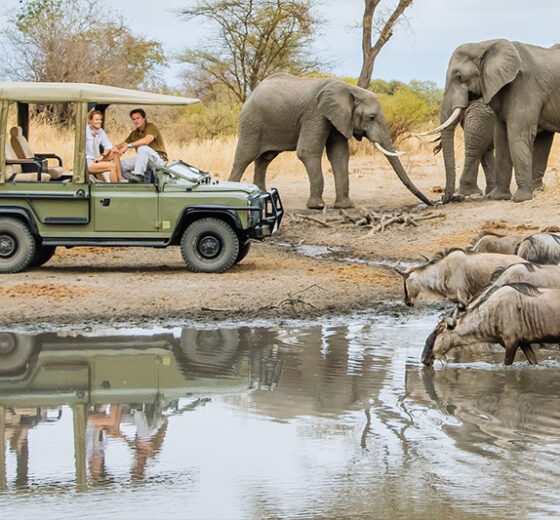
5D 4N Ultimate Masai Mara Experience
Day 1: Arrival in Nairobi
Arrive at the Jomo Kenyatta International Airport from...
5 days
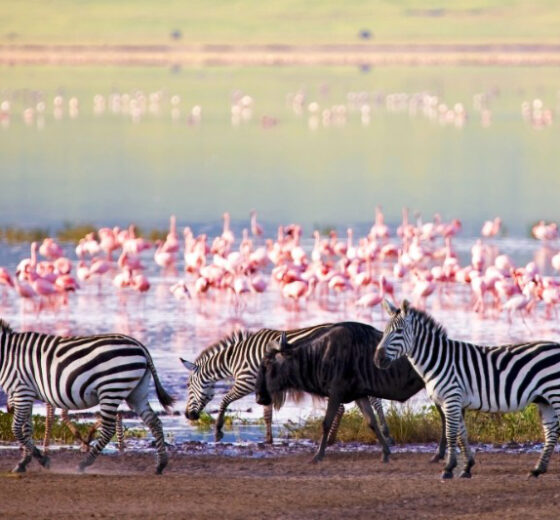
4 Days Safari – Tarangire, Serengeti & Ngorongoro
Option A: Namanga → Tarangire → Serengeti → Ngorongoro → Isebania Border
Day...
6 days

5 Days Safari – Ngorongoro & Serengeti National Park
Early Bird Offer: Book & Pay 45 days...
5 days
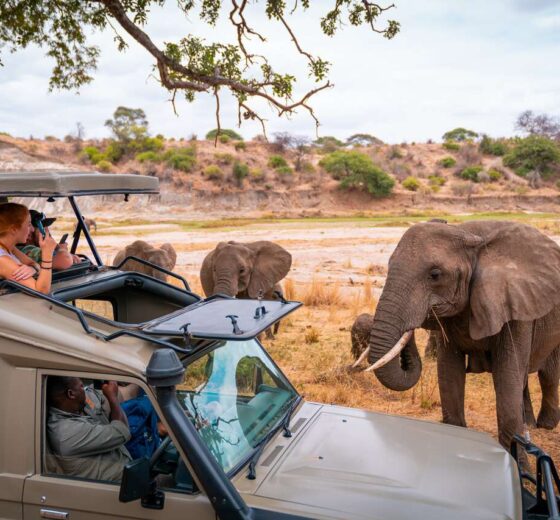
5 Days Safari – Ngorongoro & Serengeti National Park
Option A: Namanga → Ngorongoro → Serengeti → Isebania Border
Day 1: Namanga...
5 days
