
- +254 704 357 642
- reservations@app2.alikaadventures.com
- Krishna Centre Address: Woodvale Lane, Nairobi

Masai Mara Packages: Luxury, Budget & Family Tours
Masai Mara packages usually include game drives, park fees, a guide, hotel or tent stay, meals, and transport from Nairobi. The real difference sits in how you travel, where you sleep, and when you go. That's what changes the price fast. Some packages focus on budget group safaris with long road transfers and simple camps outside the reserve. Others put you inside private conservancies with luxury tented camps, sundowner drinks, and fewer vehicles near wildlife sightings. Big gap. Two trips can both say "3-day Masai Mara safari" and feel nothing alike once you arrive.
Timing matters just as much as budget. The Great Migration months from July through October bring river crossings and packed safari traffic at major sightings. Green season trips cost less and often feel calmer on game drives. Some people love the migration chaos. Others hate sitting behind fifteen safari vans watching the same lion sleep in the grass.
Why the Masai Mara Is Worth Booking a Package For?
The Masai Mara is not just about the Great Migration. Yes, the river crossings pull huge attention from July through October. Thousands of wildebeest crashing through crocodile-filled water does live up to the hype. But many people leave talking more about the leopard they tracked at sunrise or the lion pride parked beside the road at dusk. The wildlife density stays high even outside migration season. That's the part first-time safari planners often miss.
What really separates the Mara from other Kenya safari parks is the conservancy system around the main reserve. Private conservancies sit beside the national reserve but follow different rules. That changes the entire safari style. Night drives happen there. Bush walks happen there too. Off-road driving is allowed in many conservancies, which means guides can position vehicles better for wildlife sightings instead of staying stuck on distant tracks.
Amboseli gives you elephants with Mount Kilimanjaro in the background. Tsavo feels huge and wild but more spread out. The Mara feels active almost all day. You drive twenty minutes and something happens. Hyenas fighting over a kill. Cheetahs scanning termite mounds. Hippos packed into muddy river bends. Even the downtime feels tense in a good way. That's why safari packages here stay in such high demand.
Masai Mara Packages — Luxury, Mid-Range & Budget Compared
The vehicle changes your safari more than the room does. That's the real dividing line between package tiers. Park fees are usually separate too, so always check the final total before booking.
| Package Tier | Nightly Cost Range (2026) | What’s Included | Best For |
| Budget | $120–$250 per person | Shared safari van or shared 4x4, basic camp, group game drives | Flexible people focused mainly on wildlife |
| Mid-range | $300–$650 per person | Better tented camps, 4x4 vehicles, upgraded meals, smaller groups | First-time safari trips and couples |
| Luxury | $800–$2,000+ per person | Private conservancy stay, high-end lodge, private guide options, bush meals | Honeymoons, photographers, long safari stays |
Luxury Masai Mara Packages
Luxury changes the safari structure more than the room itself, that's the key point. Camps in conservancies like Naboisho, Mara North, and Olare Motorogi operate outside the main reserve rules. That means night drives, bush walks, and fewer vehicles around sightings. You feel the difference immediately. Guides can stay longer with wildlife and drive off-road in approved areas when needed. Lodges like Angama Mara and Mahali Mzuri lean heavily into that freedom. The rooms look impressive, sure. But the private conservancy access is why people pay those rates.
Mid-Range Masai Mara Packages
Here's the honest take, mid-range packages fit most first safari trips perfectly well. Camps stay comfortable, food quality stays solid, and game drives often use proper 4x4 Land Cruisers instead of packed safari vans. That's enough for many people. You still get long drives through lion territory and sunrise starts near the river crossings during migration season. The trade-off sits in location and access. Most mid-range camps operate inside or near the national reserve, where bush walks and night drives are not allowed. Some people never care but others absolutely do.
Budget Masai Mara Packages
Most budget safaris are not bad safaris. The animals stay the same, lions do not charge extra for appearances. But the group setup changes the pace of every drive. One person wants to stay with cheetahs for thirty minutes. Another wants to leave after five. That's the tension. Shared vehicles also mean tighter seating and longer pickup routes between camps. If you stay easygoing and social, budget trips offer strong value. If you shoot wildlife photos seriously, the compromises show up fast.
Before choosing a package tier, think hard about the shared versus private vehicle question. That decision shapes almost every game drive hour. A private vehicle costs more, but it gives total control over timing, stops, and pace. For photographers or families, the upgrade often matters more than moving from a mid-range camp to a luxury tent.
Flying vs. Driving to the Mara — Which Makes Sense for Your Trip
Do the time math before you book. The road trip from Nairobi to the Masai Mara takes about five to six hours each way on a decent day. Traffic leaving the city slows things early. Then the roads roughen closer to the reserve gates. You will see Rift Valley viewpoints, roadside markets, and long stretches of open country. Some people love that part. Others feel drained before the first game drive even starts.
The bigger issue is trip length. On a 3-night safari, driving cuts deeply into your wildlife time. You often reach camp late in the afternoon on day one, then leave after breakfast on the final morning. That's a lot of transit packed into a short trip. Flying changes the rhythm completely. Flights leave from Wilson Airport, not the main international airport at Jomo Kenyatta International Airport. That's an important detail people miss. Small bush planes land directly at airstrips near the camps in about 45 minutes. You can realistically start a game drive before lunch the same day.
| Option | What to Expect |
| Drive | 5–6 hours each way, lower cost, good for longer safaris and people who enjoy road trips |
| Fly | About 45 minutes from Wilson Airport, costs roughly $200–$400 more round trip, best for trips under 5 days |
Driving still works well for longer itineraries. Especially if the safari continues into Lake Naivasha or Amboseli afterward. But for short luxury trips or honeymoons, flying usually wins fast. Time inside the Mara matters more than extra hours on the road. That's the real calculation.
National Reserve vs. Private Conservancy — The Decision Most Visitors Miss
Most first-time visitors book the national reserve without knowing the conservancies exist. The wildlife looks similar across both areas, but the safari rules change once you cross conservancy boundaries. And those rules shape your entire trip far more than people expect.
Inside the Masai Mara National Reserve, the setup follows normal Kenya park regulations. Vehicles stay on marked roads. Night drives are not allowed. Bush walks are not allowed either. During migration season, famous sightings can pull large clusters of safari vehicles around one river crossing or lion pride. Some people enjoy the energy. Others hate the crowd pressure. The reserve still delivers incredible wildlife viewing. Many first safari trips should absolutely include it.
The private conservancies surrounding the reserve operate differently. Places like Mara North Conservancy, Naboisho Conservancy, and Olare Motorogi Conservancy allow guided walks, night drives, and controlled off-road driving in approved zones. That changes the feel of each game drive. Guides track animals more flexibly. Vehicle numbers stay lower too. You may spend twenty minutes with a cheetah sighting and see only two other cars nearby. That almost never happens near a busy migration crossing inside the reserve.
The trade-off is cost. Conservancy fees often add $80–$150 per person each day on top of camp rates. But the safari pace feels calmer and more personal. Some people care deeply about that. Others just want maximum wildlife density at the best possible price. Neither choice is wrong. Just know what you're paying for before booking.
Family Safari Planning — What Changes When Kids Are on the Trip
Start with the minimum age policy before anything else. Many Masai Mara camps do allow children, but the rules shift a lot between properties and conservancies. Some camps accept kids from age six. Others set the limit at eight or even twelve for shared game drives. That detail often hides deep in booking terms instead of the main package page. Parents miss it all the time. Then the trip hits a problem before it even starts.
The next thing to understand is the pace. Safari days begin early and run long. A six-hour drive from Nairobi feels very different with a tired seven-year-old in the back seat. Flying changes the mood fast. Small flights from Wilson Airport land close to camp airstrips, which means less transit stress and more time resting between drives. It costs more, but for many families, the time savings alone justify it.
Park fees matter too. Children under eight enter the reserve free in many cases, but ages 9–17 often pay around $50 per day in park fees. On a 3-night safari, that adds up quickly. Most quoted package prices do not highlight this clearly.
Before confirming a family safari package, check these points carefully:
- Minimum age rules for game drives and conservancies
- Child park fees for ages 9–17
- Flight upgrade costs versus long road transfers
- Child meal options and flexible dinner times
Families who plan around those four things usually avoid the biggest safari headaches. That's the real difference.
What Masai Mara Packages Actually Cost — The Full Picture
Masai Mara safari packages cost more than the headline number suggests. In 2026, park entry fees are $100 per adult per day from January to June and $200 from July to December. Most quoted packages do not include that cost.
Budget safaris usually start around $120–$250 per person per night before fees. That sounds reasonable until the reserve charges get added. A 3-night migration-season trip can add $600 per adult in park entry alone. Shared vehicles keep the base price lower, but the final bill still climbs quickly once transport, drinks, and tips appear. Some operators mention fees clearly. Others bury them in small print.
Mid-range packages often land between $350–$700 per person each night before park charges. These trips usually include proper 4x4 vehicles, stronger food quality, and smaller camps. The surprise cost here is often internal flights. Flying from Nairobi instead of driving can add another $200–$400 round trip per person. Hot air balloon rides push the number even harder. Most balloon flights now cost about $450–$500 each.
Luxury safaris move into a different bracket entirely. Conservancy fees alone may add $80–$150 per person daily outside standard reserve entry costs. Then come premium wines, private vehicles, laundry, spa treatments, and charter flights between camps. A couple can cross $10,000 on a short migration safari faster than expected. Sound extreme? It happens often.
Before paying any safari deposit, ask the operator these questions directly:
- Are park fees included in the quoted rate?
- Are conservancy fees charged separately?
- Does the package use shared or private vehicles?
- Are flights from Wilson Airport included?
- What extra costs appear after arrival?
Best Time to Book a Masai Mara Package
Peak season is not automatically the best time for everyone. The best overall months for a Masai Mara safari sit between July and October if river crossings matter most to you. The 2026 peak migration season runs from July through October, with the most dramatic river crossings typically occurring in August and September. Lower season trips from November through June cost less, feel calmer, and still deliver strong wildlife viewing.
Migration season earns its reputation for a reason. The grass thins out, huge wildebeest herds move through the reserve, and predator action ramps up fast near the rivers. Crossings feel chaotic in person. Dust everywhere and engines idling. Guides scanning the banks for movement. But peak season also brings more safari vehicles and much higher camp rates. A river crossing sighting may pull thirty vehicles into one area during August. Some people love that energy. Others leave frustrated by the crowd pressure around major sightings.
Low season works differently. Short rains often arrive as afternoon showers instead of all-day storms, especially from November into early December. Wildlife still stays active. The grass turns greener, birdlife increases, and camps lower rates heavily outside migration months. The hidden detail most people miss involves park timing. Reserve entry tickets work on a 12-hour window from 6am to 6pm, not a full day. If your camp sits outside the reserve and you leave after lunch for another drive, a second entry fee may apply. Camps inside the reserve avoid that problem completely. That changes the math more than people expect.
Conclusion
The reserve versus conservancy decision shapes almost everything about a Masai Mara safari. It affects crowd levels, driving rules, night safari access, walking safaris, and a huge part of your final budget. Pick that first, then build the rest of the trip around it.
For many people, a mid-range camp with a good guide beats a luxury room with rushed game drives. And short trips almost always work better with flights from Wilson Airport instead of long road transfers. The wildlife will do its part either way. The planning choices decide how the safari actually feels once you're there.
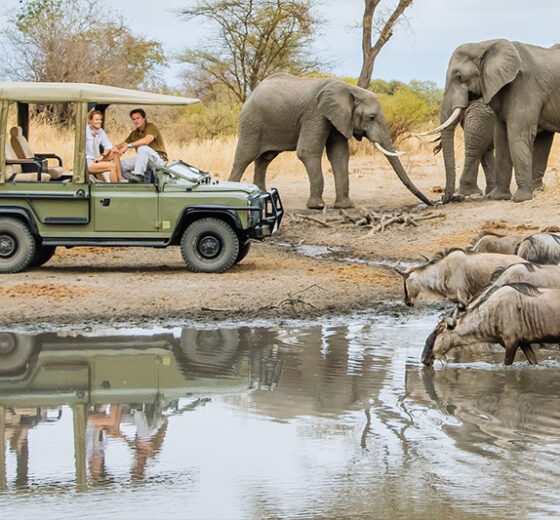
5D 4N Ultimate Masai Mara Experience
Day 1: Arrival in Nairobi
Arrive at the Jomo Kenyatta International Airport from...
5 days
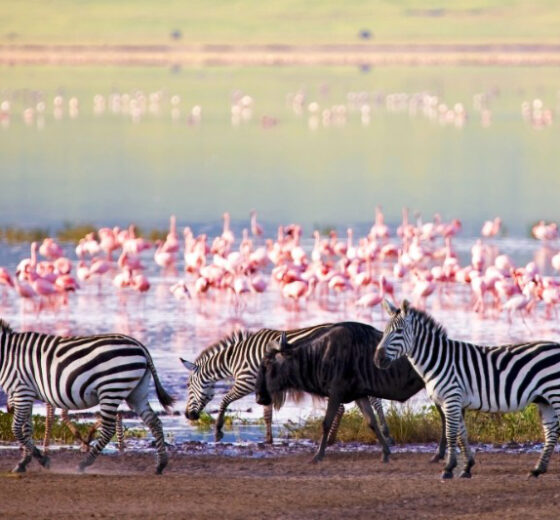
4 Days Safari – Tarangire, Serengeti & Ngorongoro
Option A: Namanga → Tarangire → Serengeti → Ngorongoro → Isebania Border
Day...
6 days
5 Days Safari – Ngorongoro & Serengeti National Park
Early Bird Offer: Book & Pay 45 days...
5 days
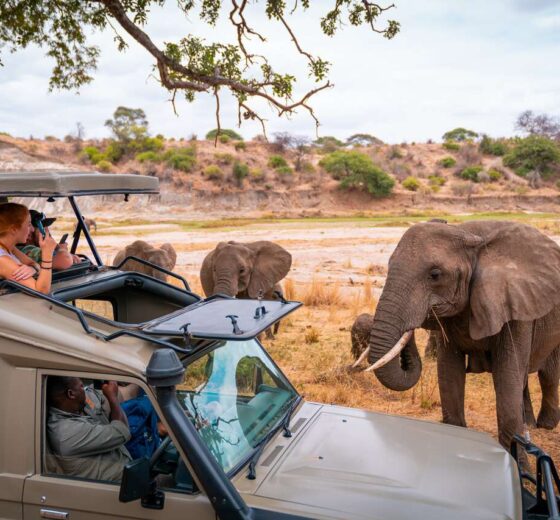
5 Days Safari – Ngorongoro & Serengeti National Park
Option A: Namanga → Ngorongoro → Serengeti → Isebania Border
Day 1: Namanga...
5 days
