
- +254 704 357 642
- reservations@app2.alikaadventures.com
- Krishna Centre Address: Woodvale Lane, Nairobi

Maasai Mara Safari Packages 2026 | Best Kenya Safari Tours
Maasai Mara safari packages in 2026 cost anywhere from about $250 to over $6,000 per person. It depends on the trip style, camp type, flight choice, and season. Some packages cover just the game drives and hotel stay. Others include bush flights, park fees, meals, airport pickup, and luxury tent camps with open views of the savannah. That price gap throws people off fast. A couple sees a cheap safari ad online. Then they learn park fees alone can cross $200 a day in peak season. Sound frustrating? It is. Most people do not realize how much the season changes the final bill.
This guide breaks down what Maasai Mara safari packages actually include before you book. Budget trips, mid-range tours, luxury fly-in safaris, family trips and honeymoon camps. The differences matter. A road safari from Nairobi feels very different from landing on a dirt airstrip beside grazing zebras.
And timing changes everything. July through October costs the most because of the Great Migration. March and May cut prices hard, but rain can slow game drives on rough roads. Know that before you pay a deposit.
What Makes a Maasai Mara Safari Different From Other Kenya Safaris
Every Kenya park has wildlife, not every park has this. Maasai Mara packs predator sightings, migration herds, bird life, and Maasai culture into a short trip window. That's the real edge. A first-time visitor can land in Nairobi, drive into the Mara, and see lions, cheetahs, elephants, and hippos in four days without jumping between parks.
Amboseli gives you huge elephant herds and Mount Kilimanjaro views. Tsavo feels raw and wide open. Some people love that, but Maasai Mara works better for most first-timers because the wildlife density stays high year-round, the road access is simpler, and safari packages are easier to organize from Nairobi. And the game drives move fast, you rarely spend hours searching for action.
| Destination | Best For |
| Maasai Mara | First-time safari trips, predator sightings, migration season |
| Amboseli | Elephants and Kilimanjaro photos |
| Tsavo | Long road trips, self-drive safaris, quieter parks |
| Samburu | Rare northern species and dry landscapes |
The Great Wildebeest Migration. What to Know Before You Book
July to October is accurate, it's also too vague to be useful. The peak window for river crossings in the 2026 migration season runs from late July through mid-September, mostly around the Mara River. That's the period people pay peak prices for, not October.
July and early August bring the big herds into the Mara. Thousands of wildebeest spread across the plains. You see movement everywhere. Late August through mid-September shifts the focus toward crossings. That's where the chaos starts. Crocodiles, fast currents. Herds bunching at the riverbank for hours before crossing. Some days nothing happens, other days explode fast.
October still has strong wildlife viewing. Lions and cheetahs stay active because prey remains high. But many crossings slow down or stop completely by then. Park fees stay at peak rates anyway. Sound annoying? For budget travelers, it should. January or February often gives better overall value unless river crossings are the main goal.
Reserve vs Conservancy. Which One Should Your Package Include?
The reserve and a conservancy are not the same trip. Most packages do not explain that clearly upfront. The main Maasai Mara National Reserve focuses on wildlife volume. You stay closer to major game-viewing zones, pay less, and spend full days driving through open plains packed with vehicles during peak season.
Private conservancies change the pace completely. Camps sit on Maasai-owned land outside the reserve. Visitor numbers stay lower. Most conservancies cap sightings at five vehicles. The reserve does not. That matters when twelve vans crowd around a lion kill and nobody can see properly. Conservancies also allow night drives and off-road tracking. The reserve bans both.
So which one fits your trip? First-time visitors on tighter budgets often do best inside the reserve. Honeymoon trips, photographers, and anyone who hates crowds usually prefer conservancies. The price jump hurts at first glance. Then you spend twenty quiet minutes beside a leopard with only two other vehicles nearby, different feeling entirely.
| Feature | Reserve | Conservancy |
| Vehicle numbers at sightings | Often crowded | Usually capped at 5 |
| Off-road driving | Not allowed | Allowed |
| Night drives | Not allowed | Allowed |
| Best for | Budget trips, first safaris | Honeymoons, photographers, quiet stays |
| Price difference | Lower | Usually $150–400 more per night |
How to Choose Your Maasai Mara Safari Package
If you're choosing between a 3-day and a 4-day package, take the 4-day. Here's the math. A 3-day safari burns most of day one getting from Nairobi to the Mara. Day three disappears the same way. You end up with one real game drive day. A 4-day trip usually costs about $150–200 more per person and adds another full safari day. Better value and easy call.
Group size matters too. Shared safari vehicles work well for solo people and backpackers. Less so for couples or families. Why? Because the driver follows the group pace. Someone always wants to leave early or rush the sighting. Private vehicle upgrades cost more, often $100–150 extra daily, but the freedom changes the trip completely.
- Solo traveler on a budget: Shared group safari
- Couple or honeymoon: Private conservancy package
- Family with kids: 4-day private safari
- Short trip from Nairobi: Fly-in safari package
Masai Mara Safari Cost. What You'll Actually Pay in 2026
The price depends on two things: your tier and when you go. Everything else is detail. A masai mara safari cost changes fast once park fees enter the picture. Many people compare package totals online without realizing how much of that money goes straight to park entry fees. In 2026, non-resident park fees are $200/day July–December and $100/day January–June.
That fee shift changes the total cost more than most hotel upgrades do. A peak-season 4-day safari includes about $800 in park fees alone. The same trip in February includes about $400. That's why January prices look lower online. It is not magic discounting. The government fee simply drops by half.
| Package Type | Off-Peak 3-Day Total | Peak 3-Day Total |
| Budget camping safari | $650–950 | $1,050–1,450 |
| Mid-range lodge safari | $1,100–1,800 | $1,600–2,500 |
| Luxury fly-in safari | $2,500–4,500 | $3,500–6,000+ |
Those totals usually include park fees, game drives, hotel stay, meals, and road transfers from Nairobi. Flights cost extra on fly-in safaris, drinks often do too. Always check that part. Some camps charge premium drink prices once you arrive. Others include everything except champagne and top-shelf liquor.
The gap between budget and luxury comes down to three things. Camp location, vehicle type and flight access. A luxury camp near a private river crossing area costs more because the wildlife access improves. Not because the sheets have a higher thread count.
Here's the value point most people miss. A 4-day safari often beats a 3-day trip financially. Why? Because transport costs stay almost the same while you gain another full game-drive day. On a road safari, the driver, fuel, and vehicle already sit inside the package price. Stretching the trip by one day spreads those fixed costs better. Most first-timers leave 3-day safaris wishing they had one extra sunrise drive. It happens constantly.
Activities Beyond Game Drives. What Your Package Can Include
Book the balloon safari before you board your flight to Nairobi. Operators fill spots early during migration season, and weather cancellations happen more often than most camps admit upfront. Morning wind changes fast in the Mara. Flights usually leave before sunrise, so camps need advance planning for transfers and breakfast timing.
Night drives and walking safaris only happen inside private conservancies. The main reserve does not allow them. That's a big detail many people miss while comparing packages online. The same goes for Maasai village visits. Camp-arranged visits feel far more natural than roadside stops built for quick tourist photos. Ask your lodge how the visit works before paying extra.
And tip planning matters. Safari guides often expect about $10–20 per guest daily. Camp staff usually split shared tips at checkout, build that into the budget early.
- Balloon safari: Book 48–72 hours ahead minimum. Weather may cancel flights.
- Maasai village visit: Best arranged through your camp, not roadside vendors.
- Night game drive: Conservancy stays only. Not offered inside the reserve.
- Walking safari: Requires conservancy access and trained armed guides.
- Horseback safari: Limited camps offer this. Weight limits often apply.
Best Time to Visit Maasai Mara. Season-by-Season Guide
Peak season is not always the best time for your safari. It depends entirely on what you want to see. The best overall value window for 2026 maasai mara safaris is January through February. Lower park fees, strong predator action, smaller crowds and better camp rates. That's the sweet spot most guides skip.
July through October brings migration season. Wildlife numbers climb hard during these months. River crossings peak from late July through mid-September, mostly near the Mara River. The downside? Crowds rise fast too. Vehicle traffic around sightings can get rough by August.
November and December sit in an awkward middle zone. Short rains begin, herd numbers thin out, prices often stay high anyway because many camps still classify the season as premium. October feels worse for value than people expect. Peak pricing continues while crossings fade.
April and May cost the least for a reason. Heavy rain turns roads muddy and game drives slower. Some camps close entirely. You can still see wildlife, but vehicles get stuck often, and long drives feel tiring fast. It is not ideal for a first safari.
Getting to Maasai Mara. Road vs Flying Safari
The drive from Nairobi is 5–6 hours. On a 3-day safari, that matters. Two long road transfers can eat most of a short trip before the real game viewing even starts. Some roads improve each year. Others still bounce hard enough to test your back by hour four.
Flying cuts the trip to about 45 minutes from Wilson Airport in Nairobi. Scheduled bush flights land at small Mara airstrips close to safari camps. Prices usually run $180–220 each way per person. Expensive? Yes. But a fly-in maasai mara safari tour lets you reach camp in time for an afternoon drive instead of arriving after sunset.
For longer trips, road safaris make more financial sense. Five-day stays spread the transfer time better. Short trips almost always benefit from flying.
| Option | Road Safari | Fly-In Safari |
| Travel time | 5–6 hours | About 45 minutes |
| Typical cost | Lower | $180–220 each way |
| Best for | Longer trips, tighter budgets | Short stays, luxury trips |
| Worst for | 3-day itineraries | Strict budgets |
What to Pack for a Maasai Mara Safari
Before the gear list: if you're flying to the Mara, your bag has a 15 kg weight limit and must be soft-sided. No hard suitcases, bush aircraft storage stays tight, and airlines enforce this rule more than people expect. Some visitors arrive at Wilson Airport with rolling luggage and end up paying storage fees in Nairobi.
- Neutral-color shirts and pants
- Light rain jacket
- Binoculars
- Camera with extra batteries
- Soft-sided duffel bag
- Sun hat
- Sunglasses
- Power bank
- Malaria pills
- Closed shoes for bush walks
Entry Requirements, Park Fees, and Practical Logistics for 2026
Apply for your Kenya eTA before you book flights. Kenya's eTA as of 2026 replaces the old visa-on-arrival setup for US visitors. Most approvals arrive within a few days, but delays happen close to holidays.
Park fees shape the full safari budget more than people expect. Peak-season entry costs $200 daily for non-resident adults from July through December. January through June drops to $100 daily. Camps normally build this fee into the package total. Still, confirm it before paying deposits. Some cheaper quotes leave it out completely.
Travel insurance with medical evacuation cover matters here. A lot. The Mara has small clinics and camp doctors, but no major hospital nearby. Emergency air evacuation to Nairobi can cost $5,000 or more. Sound extreme? Safari vehicles roll over every year during rainy months. Medical coverage with evacuation usually costs about $50–150 for most US trips. Do not skip that.
Conclusion
The big decisions are timing, trip length, and where you stay. Everything else follows from those three choices. A 4-day safari nearly always beats a 3-day trip for first-timers, and January through February gives the best mix of wildlife and lower costs for many people. Reserve camps work well for classic game drives and tighter budgets. Conservancies fit quieter trips with fewer vehicles and extra activities. Pick the setup that matches how you actually want to travel, not just the lowest price on the page.
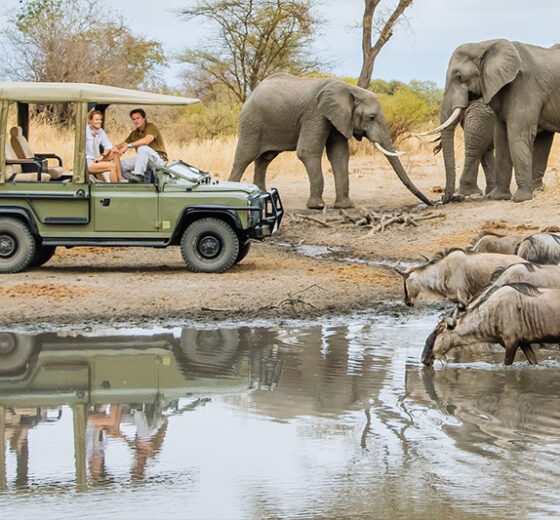
5D 4N Ultimate Masai Mara Experience
Day 1: Arrival in Nairobi
Arrive at the Jomo Kenyatta International Airport from...
5 days
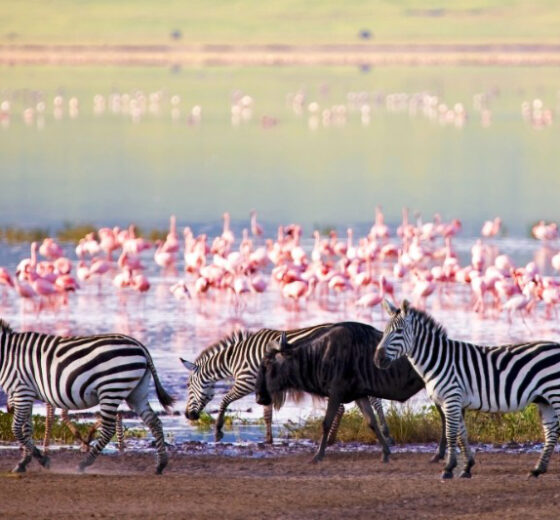
4 Days Safari – Tarangire, Serengeti & Ngorongoro
Option A: Namanga → Tarangire → Serengeti → Ngorongoro → Isebania Border
Day...
6 days
5 Days Safari – Ngorongoro & Serengeti National Park
Early Bird Offer: Book & Pay 45 days...
5 days
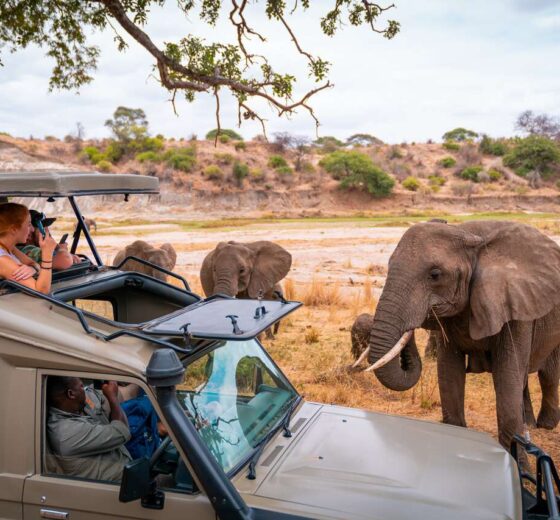
5 Days Safari – Ngorongoro & Serengeti National Park
Option A: Namanga → Ngorongoro → Serengeti → Isebania Border
Day 1: Namanga...
5 days
