
- +254 704 357 642
- reservations@app2.alikaadventures.com
- Krishna Centre Address: Woodvale Lane, Nairobi

Tanzania Safari and Zanzibar
Most people book a safari for the wildlife. They leave talking about the beach. That is how this trip usually works. Five days of early starts, dust, long drives, and game sightings change your pace fast. Zanzibar then feels less like a bonus and more like recovery.
That is the appeal behind most Tanzania Safari and Zanzibar. You spend the first half alert and moving. Then you slow down near the Indian Ocean for a few days before flying home. It suits people who want a big trip without needing three separate vacations. Not everyone does. If you dislike moving hotels or waking early, skip the safari part entirely.
Why Safari and Beach Work Better Together Than Apart
Most people expect the safari to be the whole point and it rarely ends that way. By day four or five, your body feels the routine hard. Sunrise wake-ups. Full-day game drives. Dusty roads through the Serengeti plains. Constant scanning for wildlife. It is exciting but it is also tiring.
That is why the beach works best after the safari. Your pace drops immediately once you reach Zanzibar. No alarms, no six-hour drives between parks. Just slow mornings and time near the water. Sound dramatic? Spend five straight mornings in an open safari truck and see how quickly your body asks for a stop. The beach then feels earned. Doing it in reverse often flattens the trip. Starting relaxed and then jumping into long safari days feels backward for most people.
Which Safari Parks to Include — and Why the Order Matters
For a first safari, Serengeti and Ngorongoro Crater are the two parks that matter most. If you have extra time, add Tarangire. Skip Lake Manyara unless your schedule already allows it. Three parks done properly beat four rushed parks every time. The northern circuit flows well because the driving route makes sense. Most trips start near Arusha after landing at Kilimanjaro International Airport. Tarangire sits closest, Ngorongoro comes next and Serengeti sits farther west. The route builds naturally as wildlife density increases and that pacing helps. Spending your strongest game drives at the end keeps the safari from peaking too early.
Serengeti is the anchor because wildlife volume there changes the scale of the trip. During the wildebeest migration, entire plains move for miles at a time. Even outside migration months, predator sightings stay strong year-round. Ngorongoro works differently. The crater floor compresses wildlife into a smaller space. That raises your odds of seeing lions, buffalo, and rhino in one day. Tarangire adds huge elephant herds during the dry season safari months, especially near the Tarangire River.
Lake Manyara is the easiest cut when time gets tight. It is pleasant. The groundwater forest is lovely. But if adding it means reducing Serengeti time, skip it.
- Serengeti National Park: Best wildlife density and migration action. Skip only if your trip is under four days.
- Ngorongoro Crater: Strong Big Five viewing in one compact area. Skip only if crater fees break the budget.
- Tarangire National Park: Huge elephant numbers in dry months. Skip if you dislike longer driving days.
- Lake Manyara National Park: Nice scenery and bird life. Skip first on a short trip.
Zanzibar After Safari — Choosing the Right Beach for Your Trip
The most famous beach is not always the right one for a post-safari trip. Zanzibar beach holidays work best when the beach matches your energy level after the parks. Some people want quiet. Others want bars, dive boats, and people around them after a week in remote camps. Nungwi, on the northwest coast, has the most movement. Beach bars stay open late. Snorkel and dhow cruise trips leave daily. The water stays swimmable most of the day because the tides are less extreme there. That matters more than most first-timers expect. Paje feels completely different. The east coast tide pulls far out each afternoon. At low tide, the water can retreat hundreds of meters. Great for kite surfers. Less great if you want quick swims throughout the day.
Kendwa sits between both extremes. Quieter than Nungwi but less isolated than Paje. Couples often land there for that reason. A honeymoon pair wanting silence may find Nungwi too busy after dark. A solo traveler staying in Paje for five nights may feel bored by day three. Know your own pace before booking, that fixes most mistakes.
- Nungwi: Best for social energy, snorkeling trips, and swimming all day. Avoid if you want silence.
- Paje: Best for quiet stays, kite surfing, and long beach walks. Avoid if constant swimming matters.
- Kendwa: Best middle-ground option for couples and mixed travel styles. Avoid if you want nightlife.
What Else to Do in Zanzibar Beyond the Beach
Skip the packed activity lists. A few things in Zanzibar are genuinely worth your time. Stone Town is one of them. The old Swahili and Arabic buildings feel completely different from mainland Tanzania. Not polished and not staged, just layered and lived in. The alleys near the Old Fort are confusing enough that most people get lost within twenty minutes. That is normal.
The spice tour sounds touristy on paper. It works better in person, most tours take place on working farms outside Stone Town. You taste fresh cinnamon, nutmeg, vanilla, and cloves directly from the plants. It feels more practical than performative and half a day is enough.
Jozani Forest is the other easy add-on. The Red Colobus monkey lives only here in the wild. You usually see them close up because the forest walkways pass directly through feeding areas. Snorkeling trips near Mnemba Atoll are also strong when sea conditions hold. Nungwi is the easiest base for those boat trips. Paje requires a longer transfer. Small detail but big difference.
How to Plan a Tanzania Safari and Zanzibar Trip — Days, Order, and Logistics
Four to six safari days followed by three to five beach days is the structure that works best for most people. Longer safari schedules sound exciting at first, then the routine kicks in. Early mornings, packed vehicles, long drives between camps. Wildlife fatigue is real by day six for many first-timers.
That is why the standard order exists. Safari first and beach second. Your body slows naturally once the safari ends. Three beach days is the minimum that feels restful. Two nights disappear fast because your arrival and departure days eat into the schedule. Why does this matter? Because rushed beach time feels pointless after a demanding safari week.
Most combined Tanzania safari and Zanzibar trips begin near Arusha. After the safari, you take a domestic flight to Zanzibar. Some routes fly direct. Others connect through Dar es Salaam. Flight time usually stays under two hours overall, but airport transfers stretch the day longer than people expect. Leave buffer time. Domestic delays happen often during heavy rains. Build your flight to Zanzibar into a full transfer day instead of treating it like a quick hop, that keeps stress low.
Best Time to Visit for Safari and Beach
Plan your trip for June through October if you want the safest overall weather window for both safari and beach time. Dry grass improves wildlife visibility across the parks. Zanzibar also stays cooler and less humid during these months and that overlap matters.
The 2026 peak migration season runs July through October in the northern Serengeti. Book at least six months ahead for this window. River crossing sightings near the Mara River peak around August and September. Prices rise sharply during those months, especially for camps near the northern corridor. Many tanzania safari and zanzibar packages also jump in price during this stretch because Zanzibar hotels hit high season at the same time.
January and February are underrated. The southern Serengeti enters calving season near Ndutu. Predator sightings increase because prey numbers surge. Zanzibar also gets a short dry period then, which keeps beach weather pleasant. If migration crossings are not your priority, this is often the smarter value window.
April and May bring the long rains, roads soften. Some camps close entirely. Safari still works, especially in bigger parks, but driving times increase and beach weather becomes less predictable. This is not a write-off month, it is simply a different kind of trip. Lower prices reflect that.
| Season | Conditions | Crowds and Prices |
| Peak Season (Jul-Oct) | Dry parks, migration action, great beach weather | Highest prices and busiest parks |
| Shoulder Season (Jan-Feb, Jun) | Strong wildlife and good beach weather | Moderate crowds and rates |
| Green Season (Apr-May) | Rainy roads, greener parks, mixed beach weather | Lowest prices and fewer people |
What It Costs — Budget, Mid-Range, and Luxury
Most people underestimate safari costs before they look closely at the numbers. The hotels matter, yes. Park fees matter more than expected. Flights between parks raise the price fast too. In 2026, mid-range Tanzania safari packages run roughly $350-550 per person per day for the safari portion. That range usually includes park fees, guide, vehicle, meals, and tented camp stays. Luxury camps climb far beyond that once private fly-in transfers enter the plan. Budget trips exist, but honesty matters here. Budget often means shared vehicles, simpler camps, and longer road transfers.
A mid-range tanzania safari and zanzibar trip lasting about ten days usually lands between $3,000 and $5,500 per person before international flights. Zanzibar hotel rates add another major variable. A simple beach room in Paje may cost $80 per night. A private oceanfront hotel in Kendwa can jump above $350 nightly during peak months. Sound expensive? It is. But nearly every safari in Tanzania includes high park fees before rooms even enter the calculation.
Luxury trips mostly change comfort and privacy levels. The wildlife outside your vehicle stays the same, that is worth remembering.
How to Book — What to Look For in an Operator
The hard part is not finding a safari company. It is figuring out who actually runs your trip. Many US and UK travel brands sell Tanzania itineraries, then pass the safari to a local Tanzanian operator after booking. You pay more for the middle layer, but communication often feels easier before departure.
Booking direct with a Tanzanian company can cut costs by 15% or more. Vet them carefully first. TATO membership is a useful sign because the Tanzania Association of Tour Operators still vets registered members. Review depth matters too. Look for operators with more than 100 reviews on SafariBookings or TripAdvisor instead of chasing perfect scores from ten people. Ask for a full written itinerary before paying deposits. Camp names. Transfer details. Flight timings. Everything. Serious operators send those details fast. Weak ones stay vague. That tells you enough.
The best trips are usually the clearest ones before payment ever happens. Getting the timing right matters more than adding extra parks or luxury upgrades. Most people remember the final days most clearly anyway. A rushed beach stay after a long safari often feels unfinished. Plan the pacing properly, and the whole trip changes shape. That is the difference between simply booking a holiday and building a Tanzania safari and Zanzibar trip that actually flows well.
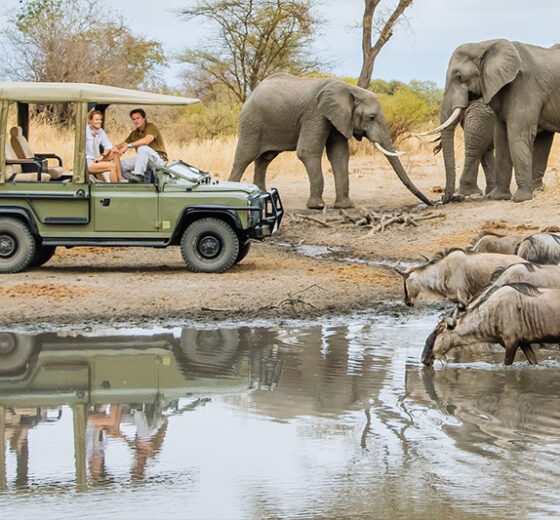
5D 4N Ultimate Masai Mara Experience
Day 1: Arrival in Nairobi
Arrive at the Jomo Kenyatta International Airport from...
5 days
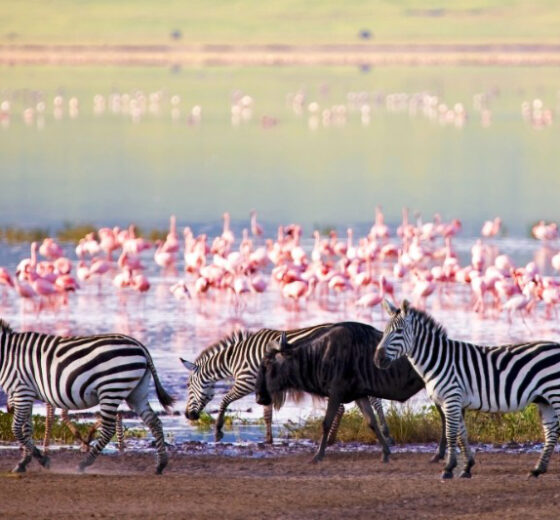
4 Days Safari – Tarangire, Serengeti & Ngorongoro
Option A: Namanga → Tarangire → Serengeti → Ngorongoro → Isebania Border
Day...
6 days
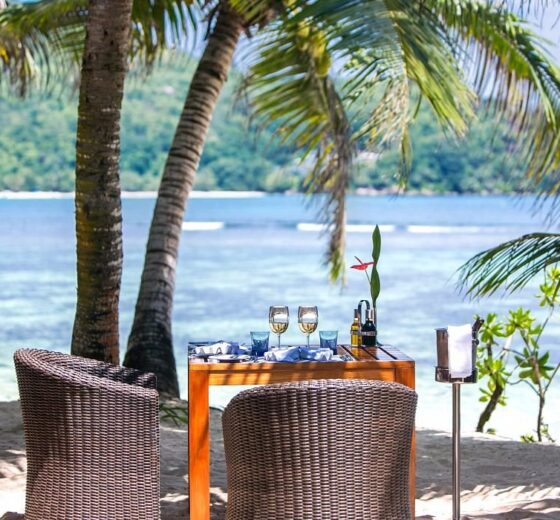
5 Days Safari – Ngorongoro & Serengeti National Park
Early Bird Offer: Book & Pay 45 days...
5 days
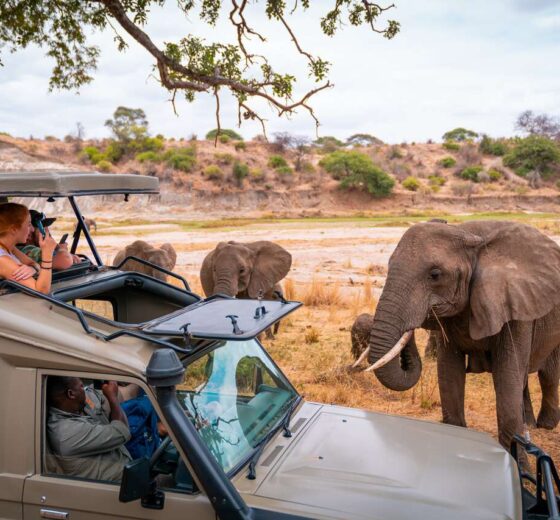
5 Days Safari – Ngorongoro & Serengeti National Park
Option A: Namanga → Ngorongoro → Serengeti → Isebania Border
Day 1: Namanga...
5 days
