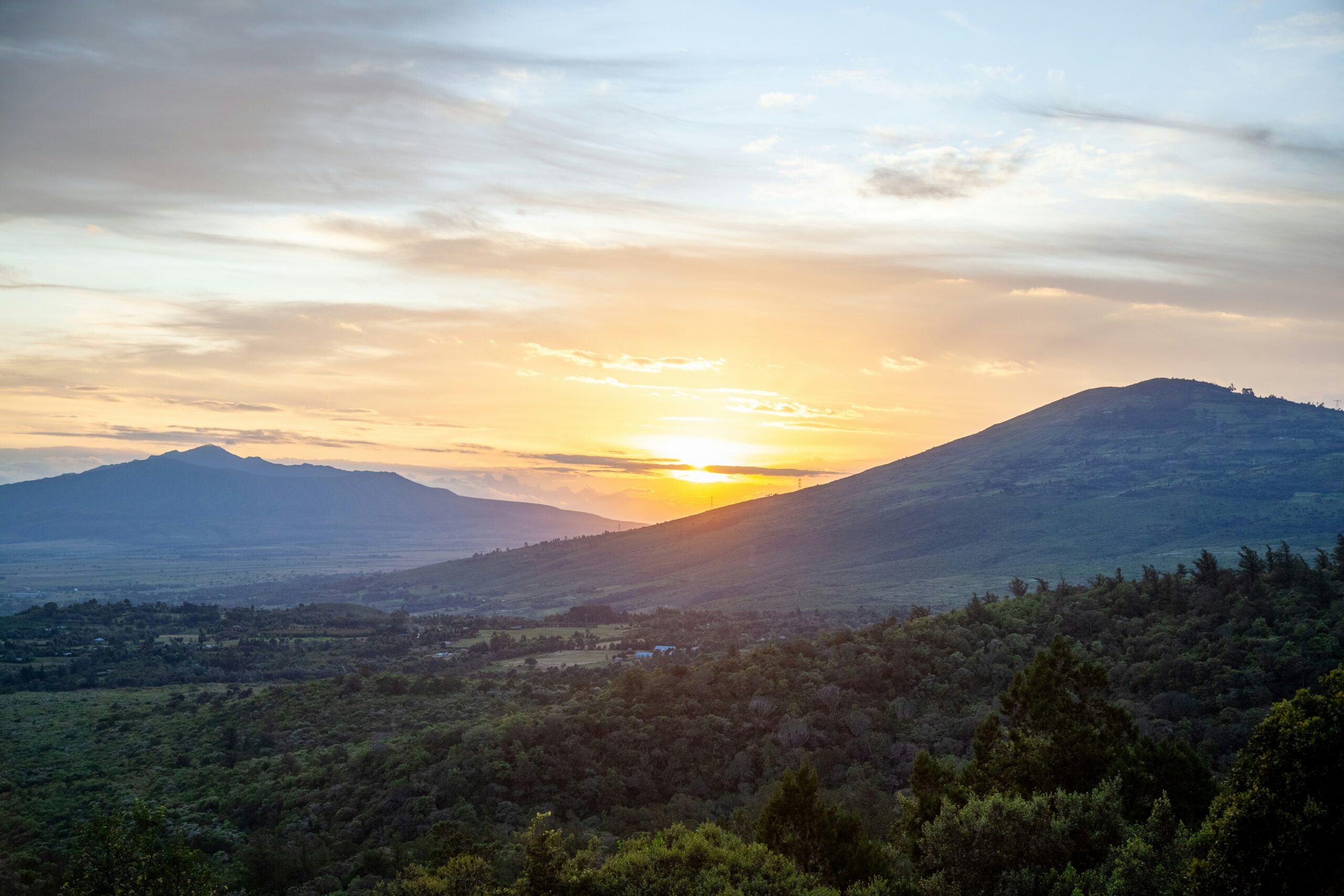
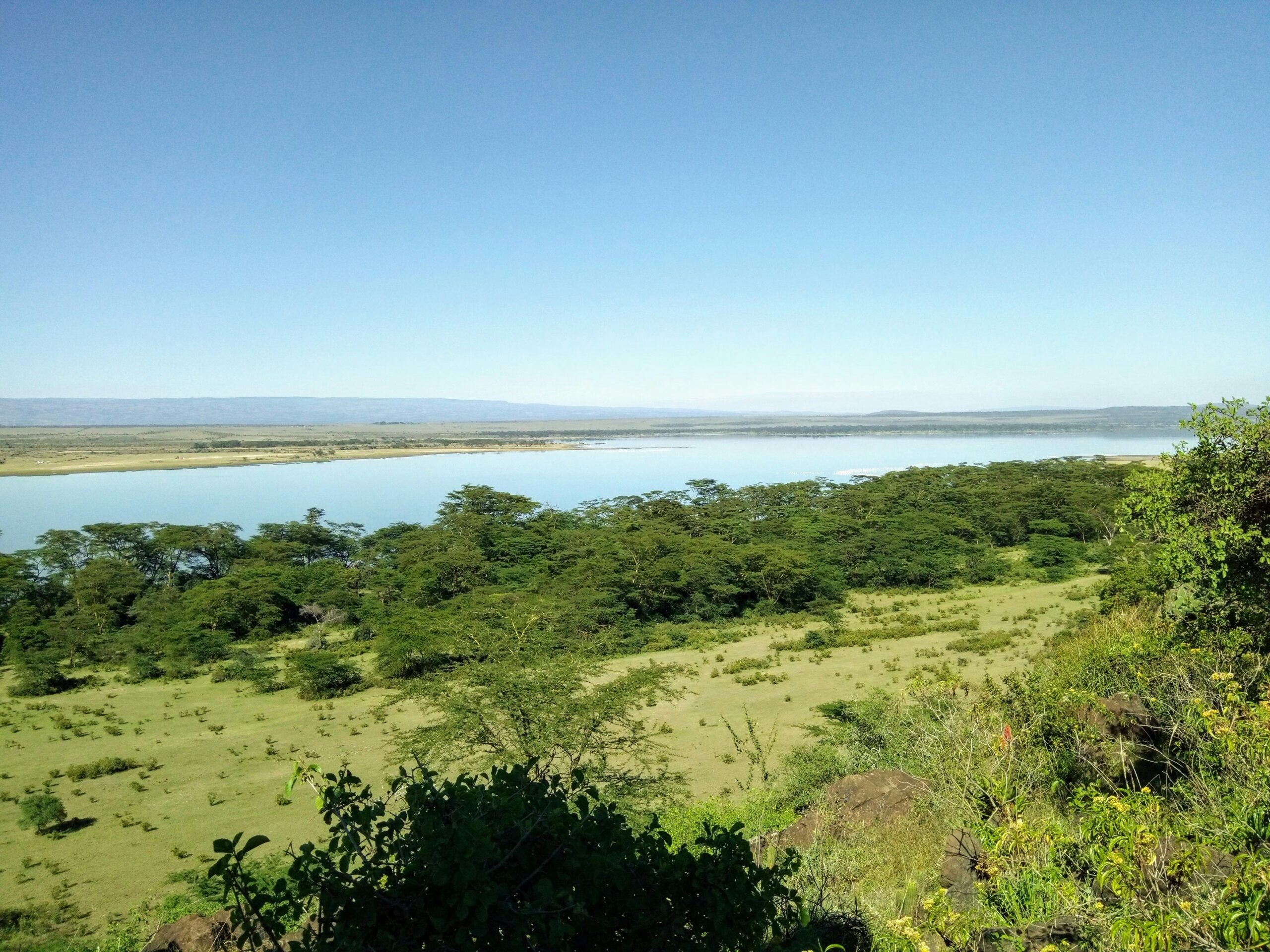
Not every lake in the Rift Valley looks the same. Most are wide, flat, and easy to read from a distance. Lake Bogoria in Kenya is none of those things. It sits in Baringo County inside a volcanic basin. The Siracho Escarpment rises about 600 meters along the eastern shore. The lake itself is alkaline and has no outlet. Water grows rich with minerals over time. That chemistry is exactly what draws the flamingos.
June through October is the best window to visit this Lake. Roads are dry, flamingo numbers tend to peak, and the early morning geothermal steam catches the light beautifully. Every photo you take in that window looks earned. The lake stays open year-round. Timing shapes how much you see, not whether you can go.
Most people driving north from Nakuru don’t notice what they’re passing. Lake Bogoria sits just off the main Rift Valley route, about 250 km from Nairobi. It holds over 200 hot springs and a cluster of active geysers. The shoreline goes pink when the flamingos arrive. This guide covers timing, what to do, how to get there, and what to budget.
Also read here: Best time to visit Kenya
Best Time to Visit Lake Bogoria Kenya
The best time to visit lake Bagoria Kenya is from June to October. Flamingo numbers here are impossible to predict. That’s the honest truth, and anyone who has visited will say the same. The birds follow food availability, not a calendar. In a good year, hundreds of thousands gather along the shore. In a quieter year, the count drops. Check current conditions through your operator before making the drive.
That said, the dry season delivers the most reliable visit. June through October is the window most experienced visitors choose for Lake Bogoria Kenya. Roads into the reserve stay accessible. Wildlife concentrates around the remaining water sources. Early mornings are the best window.
January through March is the second dry window. Fewer visitors, still solid road access, and often better value. Lake Bogoria Kenya has no defined peak season the way the Maasai Mara does.The wet season runs April through May and again around November. Roads here get muddy very fast. The southern gate route becomes impassable in places. Flamingo numbers tend to be lower.
We’d love to help you find yours. Talk to our team on WhatsApp or email us , and we’ll match a month to your ideal trip, whether its beach trip or lakes.
Here is a quick reference for planning:
- June to October: Best overall. Dry roads, flamingos at highest probability, great birdwatching.
- January to March: Second dry window. Quieter, reliable access, lower crowd levels.
- November: Transitional month. Can go either way. Check road conditions before departure.
- April to May: Wet season. Lush and scenic but poor road access and lower flamingo numbers.
Top Things to Do at Lake Bogoria National Reserve
Most people come for the flamingos. They stay for the geysers. The reserve holds more layers than its reputation suggests. Each activity here shows you a different side of the Rift Valley. And each one surprises people who expected a simple bird-watching stop.
Flamingo Viewing
The southern end of the lake, near the hot springs cluster, is where the birds concentrate most. Lesser flamingos feed on blue-green algae in the shallows. When conditions are right, the shoreline fills up and the whole lake shifts color. Greater flamingos are also present, though in smaller numbers and with more white in their plumage. The view from the Siracho Escarpment viewpoint is the kind of scene people describe badly in photos. You need to be there. It lands differently in person.
Hot Springs and Geysers
Over 200 hot springs and at least 10 active geysers run along the western shore. The Loburu cluster is the most dramatic. Water shoots up to five meters from cracks in the volcanic ground. The smell of sulfur hits you before you see the vents. Stay on the marked paths at all times. The ground around the vents can look stable and feel firm right up until it gives way. Water just below the surface runs close to boiling. Your guide knows the safe zones. Follow their lead on this one.
Game Drives and Wildlife
The wildlife here is different from the big-cat parks. Greater kudu are the species most visitors don’t expect. These antelopes carry long spiral horns. They move through the acacia thickets near the escarpment base with quiet, deliberate grace. They’re shy animals, which makes a clear sighting feel earned. The reserve also holds warthogs, olive baboons, impalas, zebras, and the occasional leopard or caracal. Serious birders should note the Kesubo Swamp on the northern end. That wetland section holds species you won’t find along the main lakeshore.
Hiking and Scenic Viewpoints
The Loburu road takes you north along the western shore. It delivers multiple viewpoints across the full lake system. Guided nature walks are available through the reserve. A walk covers the same terrain as a game drive. The pace is different though. You hear the water bubbling underground. Ground birds feed undisturbed nearby. You stop whenever something earns it. Time a walk for sunrise. The steam off the springs and the escarpment light combine in a way no afternoon drive can touch.
Endorois Cultural Tours
The Endorois people are the indigenous community of this region. Their connection to the lake has legal and historical depth most visitors don’t know about. Some community members offer guided cultural visits, homestead walks, and storytelling sessions. These put the landscape in human context in a way a game drive never does. Worth doing if you have the time. One more thing worth knowing: the lake occasionally takes on a reddish hue from algae blooms and sediment. Local guides call it the red lake effect. Most visitors who see it don’t forget it quickly.
How to Get to Lake Bogoria from Nairobi and Nakuru
Your route depends on where you’re starting. Most US visitors drive up from Nairobi or route through Nakuru as part of a broader Kenya circuit. Both routes work well enough. But road conditions on the two main gate approaches are not equal. Knowing the difference saves you a rough afternoon.
From Nairobi, the drive covers about 250 km and takes 5 to 6 hours depending on traffic. Take the A104 highway through Nakuru, then head north toward Eldama Ravine or Mogotio. Follow signs toward Marigat, which is the closest supply town to the reserve. Fuel up there and top up your water. Amenities inside the park are very basic.
From Nakuru, the northern gate route runs about 150 km on a sealed road, roughly 3 hours. That is the route most operators use. The southern gate from Nakuru is shorter at just 38 km. But the track leading in from that side can become impassable after rain, even in a good 4×4. Take the northern route if you’re traveling during or near the wet season.
Practical things to know before you leave:
- A 4×4 is essential for the southern gate approach and after any rains
- Fuel up in Nakuru or Marigat before entering the reserve
- Carry enough water and food since there are no facilities inside the park
- No domestic flights serve Lake Bogoria, so road access is your only option
- Nearest airport is Eldoret International, about 2 to 3 hours by road
Entry Fees and Practical Information for Lake Bogoria Kenya
Pay at the gate. Cash only at most entry points. The main entrance is the Loboi Gate on the southwestern side. Non-resident adults pay about USD 50 per person for a 24-hour window from the time of entry. Re-entry is not permitted under standard rules, so plan your day inside the reserve before you go in. Kenyan citizens pay about KES 300 per adult. A separate vehicle fee applies based on seating capacity.
Combining Lake Bogoria Kenya with Nakuru or Baringo on a multi-day circuit? A tour operator can prepay park fees in advance. That saves time at the gate and avoids cash availability issues on the road. Camping fees apply for those staying overnight within or near the reserve. Confirm the rates with your operator in advance.
Here is the quick fee breakdown:
- Non-residents: About USD 50 per adult, valid 24 hours, no re-entry
- Kenyan citizens: About KES 300 per adult
- Vehicle fee: Applies separately based on vehicle size
- Cash only at most gates. Carry Kenyan shillings or US dollars.
- Fees can change without notice. Confirm through your operator before travel.
Not sure which trip length fits your budget and your dates? WhatsApp or email our team. We will build a real quote around your specific travel window.
Where to Stay Near Lake Bogoria National Reserve
There is no lodge inside the reserve. All accommodation sits outside the park boundary. Options range from basic guesthouses in Marigat to one well-known spa resort a short drive from the entrance. Lake Bogoria Spa Resort is the standout mid-range and luxury option. It sits about 10 minutes from the Loboi Gate. The resort holds a feature no other property in Kenya can match: a naturally heated outdoor pool.
It draws from the same geothermal activity that powers the lake’s geysers. Soak in mineral-rich spring water while the sun drops behind the escarpment. It’s a strong way to end any day here. Guests consistently rate it a trip highlight. If you’re adding Lake Baringo to the circuit, Tumbili Cliff Lodge offers eco-conscious stays with sweeping valley views. It’s a solid one-night base between the two lakes.
Budget travelers should head to Marigat town, about 30 minutes from the gate. Basic guesthouses run USD 15 to 40 per night. The facilities are simple but functional for a stopover on a longer Kenya route.
Camping is also available through the reserve. KWS-run public sites near the hot springs come with pit latrines, fireplaces, and limited water supply. Private campsites at nearby lodges offer shared shower access. Waking inside the Rift Valley with geyser sounds in the background is a genuinely different overnight. Flamingos visible at first light helps too. Most people who do it once want to return.
What to Pack and Safety Tips for Lake Bogoria
The ground near the hot springs looks solid. Often, it simply is not. Scalding water runs just inches below the surface in some places. The crust around the vents can give way without warning. Marked paths exist for a reason. Staying on them is the one rule that keeps the experience safe for everyone. It is not cautious advice for nervous visitors. It is just how this place works.
Temperatures in the reserve run 25 to 30°C through most of the year. The Rift Valley basin holds heat and the sun is equatorial. Go in the morning and start early. Drink water before you feel thirsty. Baboons in the reserve are bold around vehicles and visitors. Don’t feed them and don’t leave food in an open bag on a car seat. They figure those out very fast.
Here is what to pack for Lake Bogoria:
- Comfortable walking shoes or light hiking boots since the volcanic terrain is uneven
- Light, breathable clothing as midday heat is consistent and real
- High-SPF sunscreen and a hat
- Binoculars for flamingo and birdwatching
- Camera with a zoom lens since flamingos feed far from the shore
- A reusable water bottle
- Insect repellent for mornings and evenings
- Cash in USD or KES for gate fees and small purchases on the road
Combining Lake Bogoria with Other Kenya Destinations
The Rift Valley Lakes circuit is the most underrated multi-destination route in Kenya, and bogoria lake sits near the middle of it. Most US visitors who come for two weeks or more can cover the full circuit without backtracking. Each lake in the chain offers something the others do not.
The classic route runs: Nairobi, then Lake Nakuru for one to two nights. Nakuru delivers rhinos, lions, Rothschild giraffes, and dense woodland wildlife. Then Lake Bogoria for one to two nights for the flamingos, geysers, and greater kudu. Then Lake Baringo for a freshwater boat safari. Hippos, crocodiles, and over 400 bird species make it a strong final stop. From Baringo, most people loop back south via Nakuru toward Naivasha or directly to Nairobi.
Also read about: Lake Naivasha
Conclusion
For tighter schedules, bogoria lake also works as a day trip from Nakuru. The northern gate drive takes about 3 hours each way. That leaves a full morning for flamingo viewing and the hot springs before heading back. It’s a long day but a rewarding one. Anyone planning a broader Kenya safari should keep the lake on the list. It fills a different slot than Amboseli or the Maasai Mara. Nothing else in Kenya completes the Rift Valley picture quite like it does.