Masai Mara safari cost runs between $650 and $1,100 per person per day in 2026. The exact number depends on your camp tier and the season you travel. That range looks wide at first glance, and it truly is. Four things stretch it that far. Where you sleep and how many days you stay both play a part. So does whether you fly or drive from Nairobi. So does the month you choose to travel. This guide breaks every one of those factors down with real numbers. You will find true per-day rates and sample trip totals here. Park fees get explained in full, along with hidden costs most operators skip. Several honest ways to lower your Masai Mara safari cost follow near the end.
Masai Mara Safari Cost at a Glance
Some travelers want the fast numbers before the full story. Here is the quick version of Masai Mara safari price across every tier, worked out per person per day. These ranges come from real 2026 market research across multiple operators, not one brochure figure. Four tiers cover almost every trip booked to the reserve this year. Budget travelers share a vehicle and sleep in a basic camp outside the gate. Mid-range travelers get a private or shared 4×4 and an en-suite tent with hot water. Luxury steps up to a private vehicle and a proper camp with most drinks included. Ultra-luxury adds a private conservancy stay and often a dedicated guide for the whole trip. Use the table below to find your rough tier, then read on for the full breakdown behind each number.
| Tier | Per Person Per Day | Typical 4-Day Total | What’s Included |
| Budget | $200–$320 | $850–$1,100 | Shared vehicle, basic camp, full board, park fee |
| Mid-Range | $380–$600 | $1,400–$2,200 | Private or shared 4×4, en-suite tented camp, full board |
| Luxury | $650–$1,100 | $2,500–$4,500 | Private vehicle, luxury camp, most drinks included |
| Ultra-Luxury | $1,100–$2,500 | $4,500–$10,000+ | Private conservancy camp, all-inclusive, often a private guide |
Each of these tiers breaks down into real daily costs, and that breakdown is where the actual planning starts.
What a Masai Mara Safari Costs Per Day
Masai Mara safari cost breaks down into five real components each day. Your camp or lodge covers the biggest slice of that daily rate. Meals come next, usually full board with breakfast, a packed lunch, and dinner back at camp. Your vehicle and guide add a fixed cost split across everyone riding with you. Fuel for two game drives a day is not free either. Then there is the park fee itself, set by the county government rather than any camp or operator.
A private vehicle costs more per person for a solo traveler. A group of four sharing the same truck pays far less each. That single detail explains why two people can book the same camp and still pay noticeably different daily rates.
Longer trips pull that per-day number down, and this surprises a lot of first-time planners. Why does that happen so consistently? The road transfer from Nairobi, or the domestic flight, is a fixed cost. It stays the same no matter how many nights you book. Spread across three days, that transfer cost hits hard. Spread across seven days, it barely registers per night. A 4-day trip and a 7-day trip at the same camp rarely cost the same amount per day.
Season moves the number even more sharply than trip length does. The table below shows the real range at each tier, split between low season and peak season.
| Tier | Low Season (Jan–Jun) | Peak Season (Jul–Oct) |
| Standard/Budget | $200–$320/day | $380–$450/day |
| Comfortable/Mid-Range | $380–$530/day | $600–$780/day |
| High-End/Luxury | $650–$900/day | $950–$1,100/day |
The peak-season jump is driven almost entirely by one thing. The park fee simply doubles from $100 to $200 a day. Everything else in that table, the camp rate, the meals, the vehicle cost, only shifts slightly between seasons. It is the fee itself that does most of the heavy lifting on that price gap.
Sample Masai Mara Safari Costs by Trip Length
Real trip totals matter more than per-day math once you are actually booking. A masai mara safari tour cost looks very different once you add up a full itinerary. A 3-day trip, a 5-day trip, and a 7-day trip each tell their own story. Here is what each length actually runs across the three main tiers.
A 3 to 4 day Masai Mara trip runs $850 to $1,100 per person at the budget level. Mid-range climbs to $1,400 to $2,200, and luxury runs $2,500 to $4,500. Check 5D/4N Ultimate Masai Mara Experience that starts from $950 per person. That sits right at the affordable end of that mid-range band.
A 5-day trip adds a bit more breathing room. It typically runs $1,600 to $2,900 at mid-range and climbs past $3,300 at luxury. Extra days rarely add much per night, since the fixed transfer cost has already been paid on arrival.
A 7-day multi-park Kenya trip is where real value shows up. This combines the Mara with Amboseli and Naivasha in one route. A 7D/6N Kenya Safari through Nairobi, the Maasai Mara, Naivasha, and Amboseli starts from $1,838 per person. That figure already folds in park fees, camp nights, meals, and road transfers.
Ultra-luxury sits in its own category entirely. A 4 to 5 night stay inside a private conservancy camp typically runs $4,500 to $10,000 per person. That price includes a dedicated vehicle and guide for your group alone. Fly-in transfers and all-inclusive drinks are usually built into that rate. Activities like night drives are too, rather than billed separately.
Not sure which trip length fits your budget and your dates? WhatsApp or email our team. We will build a real quote around your specific travel window.
Also checkout the best: Kenya Wildlife Safari
Masai Mara Park Fees
Park fees sit at the center of nearly every Masai Mara safari cost surprise. Non-resident adults pay $100 per day from January through June. That rate doubles to $200 per day from July through December, tracking the Great Migration and its demand.
Here is the part almost nobody explains clearly. Masai Mara tickets run on a strict 12-hour window, from 6am to 6pm. Many other African parks still sell 24-hour tickets, so travelers naturally assume the Mara works the same way. It does not work that way here. Check out after 6pm without a fresh ticket, and the gate charges you for an entirely new day.
What does this mean for a real trip? A 3-day, 2-night stay during peak season can mean three separate $200 tickets. That is not one flat fee for the whole visit. That adds up to $600 per person in park fees alone, before a single dollar goes toward camp or meals.
One real workaround does exist. If your final morning departure happens before 10am, some gates will let you exit without charging a new ticket. That means skipping the last sunrise game drive, though. Most guests decide the extra $100 to $200 is worth one final morning in the bush.
Here is what total park fees look like across two common trip lengths and both seasons.
| Trip Length | Low Season Total | Peak Season Total |
| 3 days | $300 | $600 |
| 5 days | $500 | $1,000 |
What Drives Masai Mara Safari Cost Up or Down
Masai Mara safari cost swings on four real factors. Camp tier moves the number more than any other single thing. Moving from a $150 budget tent to an $800 luxury camp changes almost nothing about the wildlife you see. It changes everything about where you sleep and eat that night.
Season comes next on the list. Peak season, July through October, pushes rates 30 to 50 percent above the yearly average. The Great Migration draws every camp toward full capacity during those months. Green season, April through June, drops rates 20 to 40 percent instead, since the rains keep some travelers home.
Transport method matters more than most first-time visitors expect. Driving from Nairobi takes 5 to 6 hours and costs nothing extra, since it rides inside your package price. Flying cuts that trip to about 45 minutes, but a return domestic flight adds roughly $200 to $300 per person each way. For a short 3-night trip, that flight often earns back its cost in extra game drive time. For a longer week-long trip, driving usually makes more financial sense instead.
Group size closes out the list. A private vehicle for two people costs far more per head than the same vehicle split four ways. Traveling with a couple of friends is one simple way to bring your total cost down. You still get every single game drive.
One more factor sits outside the main reserve entirely. Private conservancies like Mara North, Naboisho, and Olare Motorogi charge their own conservancy fee. That typically runs $50 to $150 per person per night, stacked on top of the standard park fee. That extra charge buys real access most travelers never think to ask about. Night drives, guided walks, and off-road tracking are all banned inside the main national reserve. Conservancy camps allow every one of them.
Know more about: 5 Wildlife Safaris in Kenya
Hidden Costs That Catch First-Time Visitors
A quoted package price rarely covers everything you will actually spend in the field. Several real costs sit just outside the number on your invoice. They can catch a first-time visitor completely off guard at checkout.
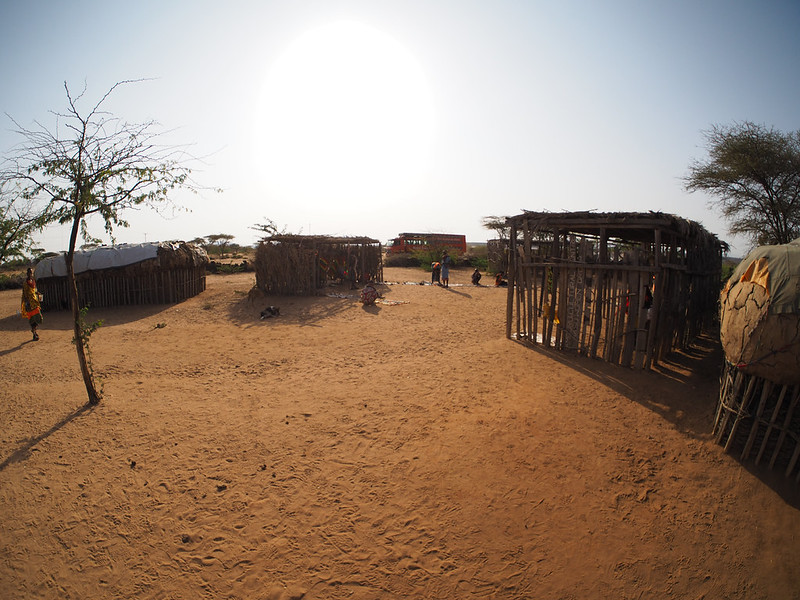
Guide tips run $10 to $20 per person per day, and camp staff tips add another $5 to $10 on top of that. Neither one shows up on your package price, though every guide and camp team truly expects them. A hot air balloon ride over the plains at sunrise costs $450 to $550 per person. It is almost never bundled into anything below the luxury tier. A Maasai cultural village visit runs $20 to $50 per person, sometimes included, sometimes billed separately.
Drinks add up fast too. Budget and mid-range camps often charge $5 to $15 per drink. Luxury and ultra-luxury properties tend to fold drinks into an all-inclusive rate instead. Then there are the entry requirements themselves. A Kenya eTA visa costs roughly $30 per person, and travel insurance runs $50 to $150 depending on your coverage level. Skipping insurance is not worth the risk, since medical evacuation from the reserve can run into the thousands.
Health prep adds a smaller but real cost too. Anti-malarial pills typically run $30 to $60 per person for a full trip. A yellow fever vaccination may also be required if you are arriving from certain countries. None of this shows up on a package price. Every guide will still ask if you have sorted it out before you climb into the vehicle.
Budget for these before you book, not after:
- Guide tips: $10–$20 per person per day
- Camp staff tips: $5–$10 per person per day
- Hot air balloon safari: $450–$550 per person
- Maasai village visit: $20–$50 per person
- Kenya eTA visa: about $30 per person
- Travel insurance: $50–$150 per person
- Anti-malarial pills: $30–$60 per person
Best Time to Visit for the Best Masai Mara Safari Price
Timing shapes Masai Mara safari price more than any single decision you will make while planning. Three real seasonal bands exist, and each one trades price against a different kind of wildlife experience.
Peak season in Masai Mara runs July through October, and rates sit 30 to 50 percent above the yearly baseline during these months. The Great Migration is the reason. River crossings and massive herds draw travelers from everywhere, and camps fill up months in advance. Shoulder season covers January, February, November, and December instead. Pricing sits at a moderate middle ground here, and wildlife viewing stays strong throughout. January and February even deliver calving season, when predator action often outpaces the crowds of peak months.
Low season, sometimes called green season, runs April through June. Rates drop 20 to 40 percent below the yearly average during this stretch. Rain becomes the real tradeoff, since afternoon showers are common and a handful of roads can turn muddy.
Here is the honest truth most brochures skip. Resident wildlife never actually leaves the Mara. Lions, elephants, and buffalo stay put through every single season. Only the migration herds move on, following the rain elsewhere. A budget-conscious traveler who books green season gives up very little beyond a drier road.
How to Lower Your Masai Mara Safari Cost Without Cutting Corners
Lowering your Masai Mara safari cost does not have to mean a worse trip. Several tactics trim real dollars off your total without touching the game drives you actually came for. Try these before you assume a smaller budget means a smaller trip.
- Book four days instead of three. The fixed transfer cost barely changes, yet you gain a full extra day of wildlife time.
- Travel as a group where you can. A shared vehicle among four people drops the per-person cost by a wide margin.
- Choose road transfer over a flight for any trip longer than five days, since flying saves less time relative to a longer stay.
- Stay just outside the reserve for one night. That single move can skip a full day of park fees.
None of these tactics touch the wildlife itself. The same lions, the same river crossings, and the same sunsets wait for every traveler, regardless of budget tier.
Want help finding the right balance of cost and comfort for your dates? WhatsApp or email us, and we will walk through real options together.
Masai Mara Safari Cost vs. Other Kenya Parks
The Mara sits well above most other Kenya parks on price, and that gap is easy to explain. Amboseli charges $90 per day instead. Lake Nakuru charges the same $90. Tsavo, the largest park in the country, charges just $70 per day for non-resident adults. Even Samburu, further north and less visited, sits around $85 per day.
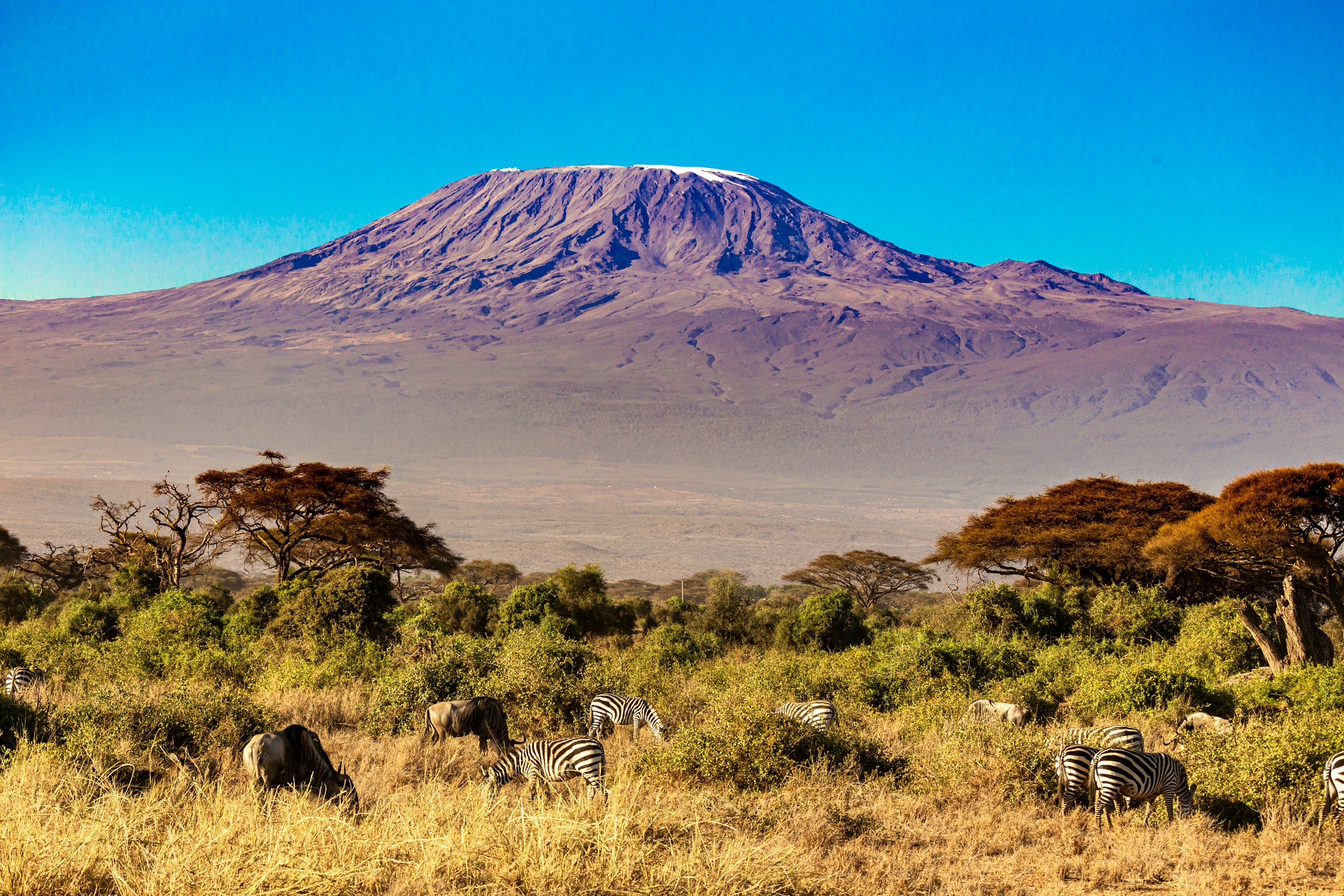
Why does that gap exist at all? Wildlife density and the Great Migration justify the premium. Nowhere else in Kenya packs as many predators and as much drama into one reserve. The Big Five sighting rate here is hard to match. A three-night stay in Amboseli might save you $300 in park fees. That is compared to the same three nights in the Mara. But Amboseli trades the migration and the Mara’s predator density for something else entirely. Kilimanjaro views and enormous elephant herds dominate the scenery there instead. Neither choice here is wrong. The right one depends on what you actually came to Kenya to see.
Read the complete guide on: Kenya Safari Cost guide
FAQs
How much does it cost for a safari in Masai Mara?
A Masai Mara safari costs $650 to $1,100 per person per day in 2026, depending on your camp tier and the season. A 3 to 4 day trip runs about $850 at the budget level and climbs past $4,000 at the luxury tier. Season and camp choice explain most of that spread.
What is the 12 hour rule for Masai Mara?
Masai Mara park tickets run for exactly 12 hours, from 6am to 6pm, rather than a full 24-hour day. Exit the gate after 6pm without a new ticket, and you get charged for an entirely fresh day. This rule catches many first-time visitors who assume the ticket covers a full calendar day.
Why is Masai Mara so expensive?
Wildlife density and the Great Migration drive Masai Mara safari cost above most other Kenya parks. The reserve charges $100 to $200 per day in park fees alone, well above nearby parks like Amboseli or Tsavo. That premium funds conservation and reflects real, higher demand from travelers worldwide.
Why is Kenya safari so expensive?
Kenya safari cost reflects several fixed expenses that do not shrink regardless of budget tier. Park fees, professional guiding, and 4×4 maintenance all cost real money. Fuel for long game drives adds up fast in such a remote setting. Add international flights and peak-season demand, and the total climbs quickly for any traveler. Even a budget trip still touches every one of these fixed costs, just at a smaller scale.
Why can’t I wear white on safari?
White clothing shows dust almost immediately, and Masai Mara roads kick up a lot of it during game drives. Bright white also stands out against the grassland and can make animals more alert to your presence. Guides generally recommend neutral tones like khaki, olive, or tan instead. Those colors blend into the bush and hide dust far better.